
Reviewed · TREKKING TOURS IN LUANG NAMTHA
Hunter Trails, 3 days difficult trekking with Camping & Homestay
This is a serious jungle trek, not a gentle walk with a few scenic stops. From Ban Prang, you climb steep hills, follow old hunter trails through primary forest, sleep at a basic jungle camp, and later stay in a quiet village homestay. Guides such as Noy, Mun, Thit, Xai, and Kham add much more than directions: they explain plants, animals, food, and local culture.
I like two things right away. First, the food is part of the experience, with market supplies joined by wild ingredients gathered along the trail and cooked over an open fire. Second, the trip gives you both forest solitude and village life, including early-morning farm work and bamboo weaving. The catch is simple: six to seven hours of hiking a day, steep climbs, and harder conditions in the rainy season.
Key points before you book
- Old hunter trails: The route enters primary forest rather than staying on an easy village path.
- Three demanding days: Expect steep ascents and descents, with about six to seven hours of walking each day, including breaks.
- Jungle cooking: Guides prepare breakfasts, lunches, and dinners, including food foraged from the forest.
- Basic camp and village homestay: You spend one night in a simple jungle camp, then experience a tranquil village stay.
- Small group size: The maximum is eight people, which helps keep the guide’s attention on the group.
- Strong fitness required: Hiking boots, a rucksack, mosquito spray, sun protection, a torch, and spare clothes are not provided.
What this three-day Laos trek is really about
The Hunter Trails trip is built around time in the forest, not a checklist of viewpoints. You leave Luang Namtha by road for Ban Prang, about 35 kilometers south, then set off on foot. The first hills quickly make the difficulty clear.
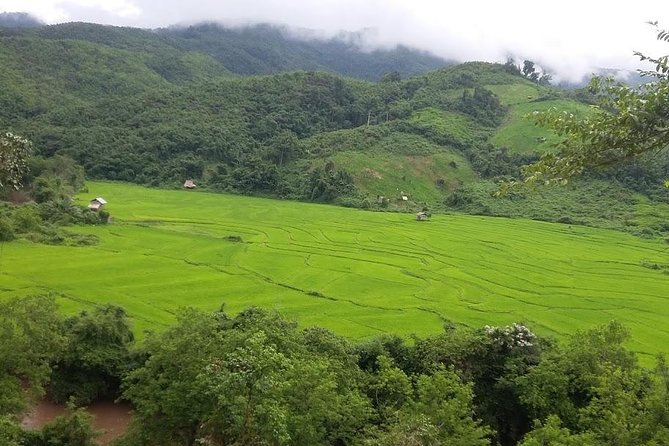
You pass rice fields and may see villagers working in them before the route enters thicker forest. That change matters. The walk begins with ordinary rural life in view, then gradually cuts you off from roads, shops, and the easy rhythm of town.
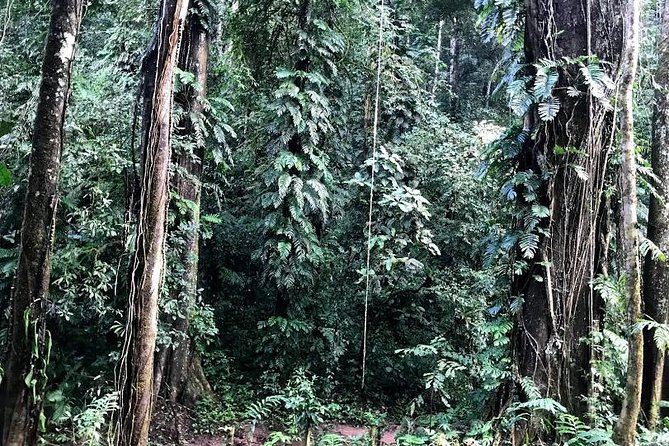
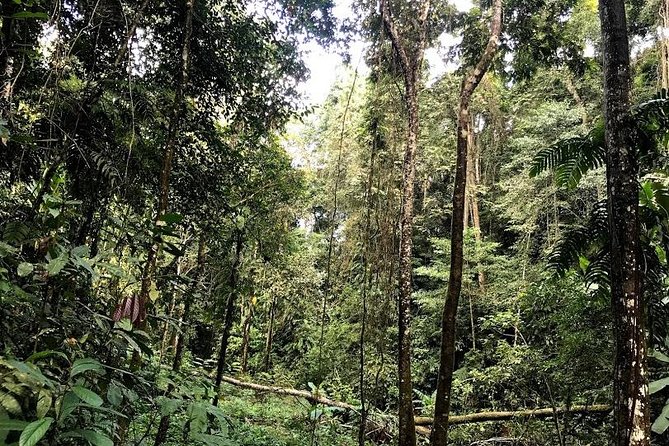
The route follows old hunter trails through Nam Ha National Park’s primary forest. That means uneven ground, steep sections, and a trail that can feel more like a local route than a polished walking track. In dry weather, the trek may feel moderate to a fit hiker. In the rainy season, mud and slippery ground can make it much tougher.
The guide is central to the experience. Noy is praised for adapting his pace, while Mun, Thit, Xai, Kham, and other local guides are noted for explaining plants, fruits, animals, forest customs, and the culture of local tribes. You are not simply being led from point A to point B. You are learning how the forest is read and used.
More Trekking Tours in Luang Namtha
- The Wild Explorer – 3 days forest trek with homestay and camping
★ 4.5 · 22 reviews - Nalan Trail Kmu Ethnic Experience – 2days forest trek with homestay.
★ 5.0 · 21 reviews - Nam Ha NPA 3 Day Wildlife Jungle Camp and Village Homestay Trek
★ 5.0 · 11 reviews
Day 1: From Ban Prang’s rice fields into primary forest
The day starts at 8:30 a.m. at The Hiker Travel Agency on 17A Main Street in Phonexay Village, Luang Namtha. Transport takes you to Ban Prang, around 35 kilometers south of town, where the walking begins.
The opening section runs through or beside rice fields and climbs steep hills. This is useful preparation, though not an easy warm-up. You get a look at village farming before leaving the settled area, and you may see people working in the fields as the route rises.
Once you move into the forest, the character of the trip changes. The old hunter trails can include steep climbing and descending, and your guide sets the pace for the group. One advantage of a maximum group of eight is that the walk does not need to feel like a large procession. If your party is small, you may also get more time to ask questions or stop for plant and wildlife explanations.
The first night is spent at a basic jungle camp in the forest. The accommodation is not presented as a comfortable lodge. It is a simple shelter or hut-style camp that gives you a place to sleep without requiring you to build your own shelter from scratch.
That distinction is important. This is camping with some structure, not a hotel transplanted into the jungle. You should expect a back-to-basics night, limited facilities, and the sounds and conditions of the forest around you.
Dinner is included and cooked by the guide team, often over an open fire. The food is one of the trip’s strongest features. Supplies come from the market, but the guides may also gather edible plants and other ingredients along the trail. The result is a meal tied to the place you are walking through, rather than a standard packed lunch repeated for three days.
Day 2: Forest skills, wild tea, and hilltop views
Day two starts early. You wash, drink coffee or wild tea, and eat breakfast while the guide prepares the morning meal. The early start fits village and forest life, but it may be a shock if you prefer slow mornings on holiday.
After breakfast, the route continues through an area with abundant forest. This is likely the most sustained jungle day, and you should expect another long period on foot rather than a string of formal attractions.
The guide’s explanations make the walking more rewarding. The trip’s strongest cultural element is not a staged performance. It comes through practical details: which plants can be eaten, how forest ingredients are gathered, what animals may be present, and how local people understand the woods.
Wildlife spotting is included in the aims of the trip, but sightings are never guaranteed. The forest is a place to watch and listen, not a zoo. Keep your expectations sensible. You might see signs of animals or catch a glimpse of wildlife, but the value of the walk does not depend on a rare sighting.
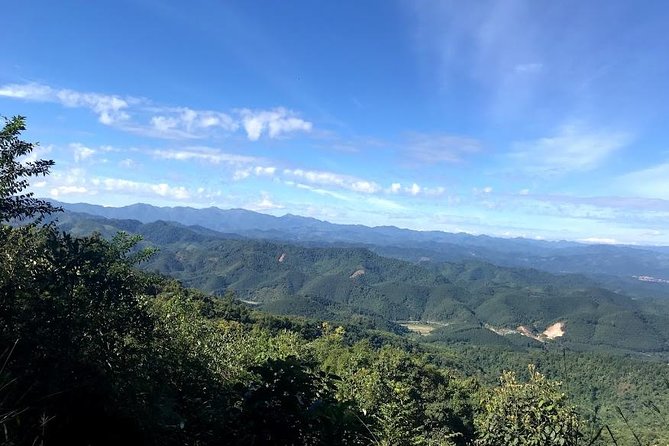
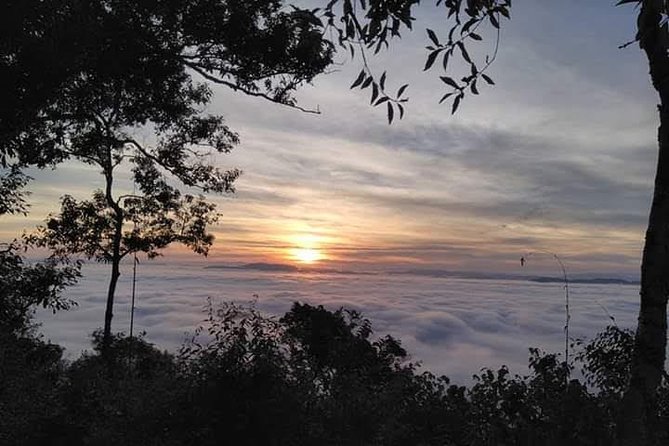
The route also offers hilltop views. After hours among trees, an opening on a ridge can feel especially rewarding. The exact view depends on weather and the route used by your guide, so do not treat it as a guaranteed postcard stop. The climb to reach it is part of the bargain.
Food again becomes a practical lesson. Guides prepare lunch and dinner, with some ingredients brought from town and others collected in the forest. This has received particularly strong praise, and for good reason. It gives you a direct sense of how the forest supports local cooking, while the open-fire preparation adds warmth and character to a remote night.
The drawback is comfort. A simple camp, long hiking hours, and limited personal space will not suit everyone. If you want a polished eco-lodge, this is the wrong trip. If you want a demanding walk with basic shelter and fresh food, the setup is a useful middle ground.
Day 3: Village life before the walk back
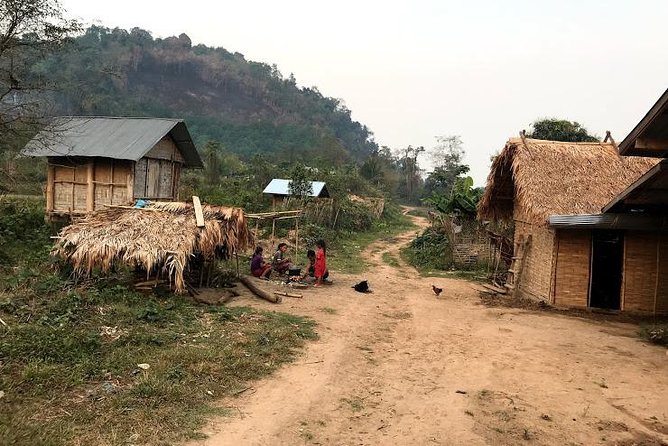
Village life starts early, so day three begins before the pace of town has fully arrived. You can walk around the village and watch people prepare for the day, including farm work and bamboo weaving.
This is one of the best reasons to choose the three-day version instead of a shorter forest outing. The village stay gives the trek a human ending. You have already seen the forest as a source of food and shelter, then you see daily work in a community that uses local skills and materials.
The itinerary indicates breakfast at the homestay before continuing the final part of the trip back toward the meeting point. The exact walking pattern can vary, but the three-day structure allows the forest and village portions to work together. You do not simply return from the woods and forget them. The homestay helps connect what you learned on the trail with the lives of people in the area.
The homestay is described as tranquil, but you should still expect a local home rather than a private resort room. Details about bedding and facilities are not specified, so ask The Hiker before departure if you need to know the sleeping arrangement.
After the final hiking section, the activity ends back at the meeting point in Luang Namtha. Lunch is included on day three, as are two breakfasts and two dinners across the trip.
More trekking tours in Laos:
- Luang Prabang to Nong Khiaw: River Cruise, Hike & Waterfall
★ 4.4 · 53 reviews - Full Day Trek to Kuang Si Waterfalls, Remote Village
★ 5.0 · 38 reviews - Luang Prabang: Full Day Trek to Kuang Si Waterfall & Village
★ 4.6 · 20 reviews - Luang Prabang Thin Pha Trail & Tad Sae Falls Trek
★ 4.6 · 17 reviews
The food is more than a meal break
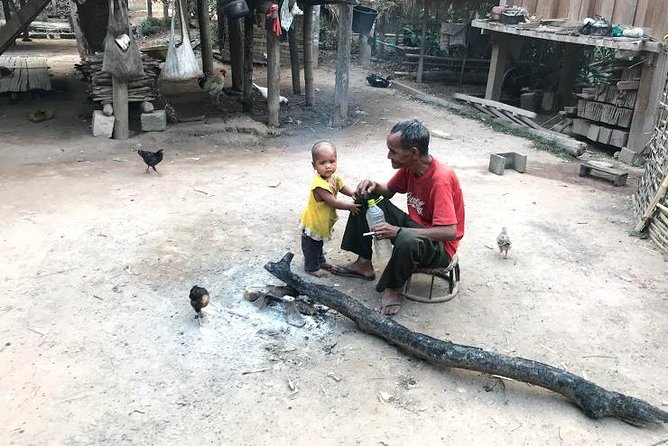
I would choose this trek partly for its food. The guides cook three lunches, two dinners, and two breakfasts, and the cooking takes place in a setting where a hot meal matters.
Market-bought ingredients provide the practical base. Forest ingredients add the character. Guides have been praised for gathering and preparing organic wild food, explaining what they find, and cooking over open fires.
Do not read this as a promise of a fixed menu. The food depends on what is available and suitable to gather. That uncertainty is part of the point, but it also means you should tell the operator about dietary needs before setting out. The supplied information does not specify vegetarian, vegan, allergy, or other special-meal arrangements.
Coffee and wild tea on the second morning sound like small details, yet they capture the appeal of the trip. You wake in a remote setting, wash outdoors or with basic facilities, and begin the day with what the guide can prepare. It is simple, but it feels connected to the place.
How hard is the hiking?
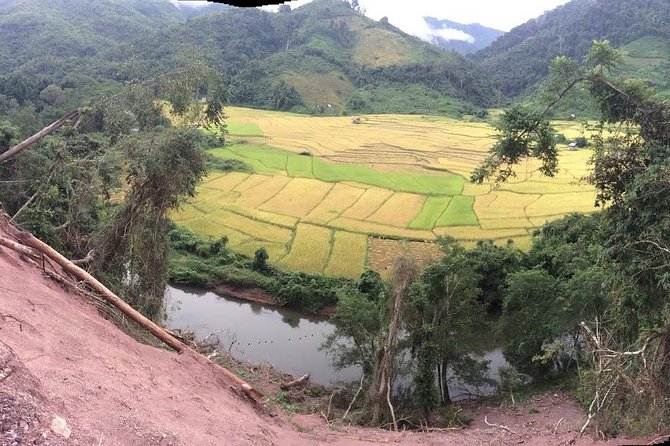
The tour is officially described as difficult and requires a strong physical fitness level. You should be comfortable with steep uphill and downhill walking for six to seven hours a day, including rest stops.
The challenge is not just distance. Old forest trails can be uneven, and rain changes the ground under your feet. One useful way to judge your readiness is to ask yourself if you can manage repeated steep sections while carrying your own personal items.
Dry-season conditions may make the trek more moderate, but the route still includes hard climbs. In the rainy season, the operator warns that conditions become difficult. Good footwear matters, and ordinary casual shoes are a poor choice.
The trip suits an active hiker who wants a real physical test but does not want to construct a shelter from raw materials. It can also suit older, fit hikers who want a basic dedicated camp instead of fully improvised camping. It is not a sensible pick for anyone with low fitness, unstable footing, or a strong dislike of mud, early starts, and rustic facilities.
What to pack for the Hunter Trails
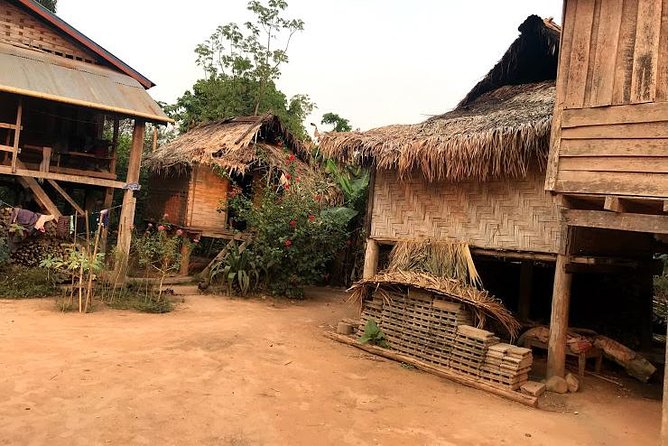
The price does not include a rucksack, hiking boots, hat, sun cream, mosquito spray, torch, or a change of clothes. Treat this list seriously.
Bring a small pack that you can carry comfortably for three days. Use sturdy hiking boots with good grip, especially during the rainy season. A hat, sun protection, mosquito repellent, and torch are practical necessities, not optional extras.
Pack dry clothes for the homestay and camp, along with clothing that can handle dirt and sweat. Keep the load light. Steep hills feel harder when your bag is packed for every possible emergency.
The operator confirms the booking at the time of reservation. The activity depends on good weather. If poor weather causes cancellation, you are offered another date or a full refund. For a voluntary cancellation, you need to cancel at least 24 hours before the 8:30 a.m. start to receive a full refund.
Is $175 a fair price?
At $175 per person, the trek costs more than a basic one-day walk around Luang Namtha. That comparison misses much of what you are paying for.
The price includes transport to the trailhead, guiding, all fees and taxes, two nights of dinner, two breakfasts, three lunches, the jungle camp, and the village homestay. You are also paying for access to old hunter trails and for local guides who can explain the forest and prepare food from it.
The value improves if you want a small group and a properly arranged route. The maximum group is eight, and the operator’s own camp means you do not need to design the route, arrange separate meals, or work out shelter in the forest.
The value is less clear if you only want scenery and a short walk. A fit hiker who is happy arranging food and guides independently may find cheaper options. You also need to factor in the cost of equipment that is not included.
Group discounts are available, though the exact terms are not provided. A mobile ticket is offered, and the activity starts and finishes at The Hiker’s office in Luang Namtha.
Which guides might lead your group?
Guide assignments can change, but several names are associated with the route. Noy is noted for adjusting his walking speed to suit the group. Mun is praised for explanations about nature and tribal culture. Thit and a Khmu guide are associated with careful support, forest teaching, and open-fire cooking.
Xai is especially linked with plant, animal, and nature explanations. Kham and Mun have also led the route. You cannot choose a specific guide from the information provided, so consider the names as examples of the guide team rather than a guarantee.
The best guides on this kind of trek do more than keep you on the trail. They show you why a plant matters, explain how food is found, and give context to the village and forest. That interpretive side is a major part of the $175 value.
Who should book this trek?
Book it if you want a hard walk, simple sleeping arrangements, local food, and time away from roads. It is a strong fit for active hikers who like learning while walking and who see a campfire meal as a highlight rather than a compromise.
It also works well if you want a cultural experience that feels tied to daily life. The rice fields, village work, bamboo weaving, homestay, and forest cooking create a fuller picture than a hike that only visits a viewpoint.
Think twice if you want predictable comfort, a fixed timetable, guaranteed wildlife, or an easy trail. The route is weather-sensitive, the camp is basic, and the rainy-season version can be demanding.
With a 4.9 rating from 15 ratings and a 100 percent recommendation figure, the experience has a strong record. Still, the difficulty rating is the most important fact for your decision. Pack properly, arrive fit, and choose the dry season if you want the more manageable version of the trek.
FAQ
Where does the Hunter Trails trek start?
It starts at The Hiker Travel Agency, 17A Main Street, Phonexay Village, Luang Namtha, Laos. The start time is 8:30 a.m.
Where does the walking begin?
The trail begins at Ban Prang village, about 35 kilometers south of Luang Namtha.
How long does the trek last?
The experience lasts approximately three days and ends back at the meeting point in Luang Namtha.
How large is the group?
The maximum group size is eight people. Group discounts are available.
What meals are included?
The price includes three lunches, two dinners, and two breakfasts.
What fitness level do I need?
You need a strong physical fitness level. The trek includes steep hills and about six to seven hours of hiking per day, including breaks.
More 3-Day Experiences in Laos
- From Chiang Mai : 3 Day 2 Night Slow Boat to Luang Prabang
★ 3.4 · 26 reviews - Luang Prabang: Nong Khiaw 3-Day Trekking & camping, Homstay
★ 5.0 · 9 reviews - Luang Prabang: 3-Day Cultural Remote Trek With Homestay
★ 4.9 · 9 reviews - 3 Days Multi Adventure in Nam Ha NPA: 2 Days Trek and 1 Day Kayak
★ 5.0 · 7 reviews
Just added around Laos
- Luangprabang: Dinner with Lao Traditional Dance Performance★ 4.0 · 3 reviews
- Vientiane: Lao Cultural Attire Rental Experience★ 5.0 · 3 reviews
- Vientiane Private Lao Cooking Class with Market Tour★ 4.0 · 3 reviews
- Vang Vieng: Zipline&Water Cave&Tham Chang&Blue Lagoon 1★ 5.0 · 3 reviews
- Vientiane: Half-Day City Tour – Morning or Afternoon★ 4.0 · 3 reviews
- Vientiane Private Walking Tour With A Guide (Private Tour)★ 4.5 · 3 reviews
- Luang Prabang Night-time Explorer★ 3.5 · 3 reviews
- Sunset Cruise in Luang Prabang with Live Performance★ 4.5 · 3 reviews
Trekking Tours in Luang Namtha, compared.
The Wild Explorer – 3 days forest trek with homestay and camping
Read our review →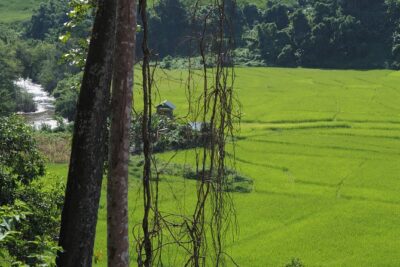
Nalan Trail Kmu Ethnic Experience – 2days forest trek with homestay.
Read our review →
Nam Ha NPA 3 Day Wildlife Jungle Camp and Village Homestay Trek
Read our review →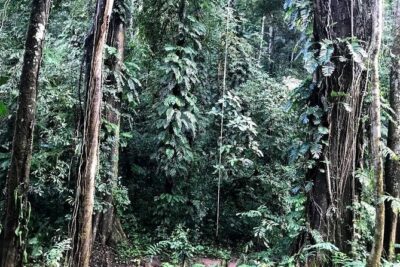
The Ultimate Hiker’s Choice – 5 days forest trek with homestay and camping
Read our review →3 Days Multi Adventure in Nam Ha NPA: 2 Days Trek and 1 Day Kayak
Read our review →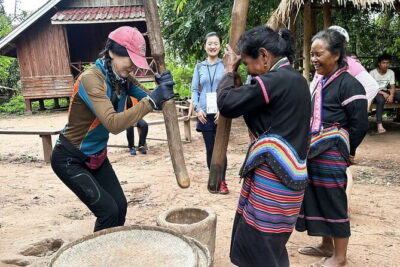
Nalan Trail and Khmu Tribe: 2 Days Trek in Nam Ha NPA
Read our review →Browse the lists this tour appears in