
Reviewed · TREKKING TOURS IN LUANG NAMTHA
The Wild Explorer – 3 days forest trek with homestay and camping
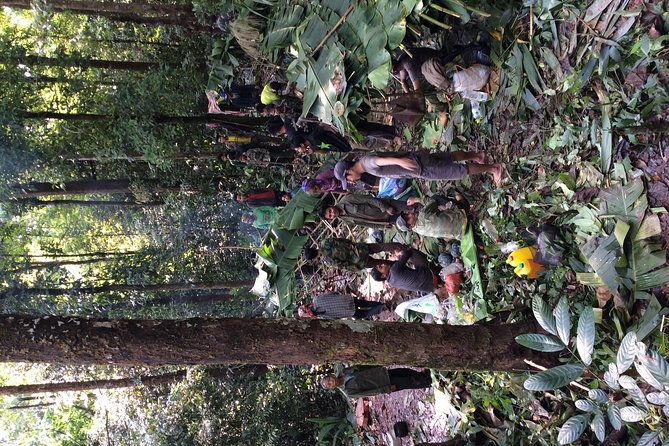
The main appeal here is simple: you spend three days moving through Nam Ha National Protected Area rather than viewing it from a road or a short nature walk. Days run to about seven hours of jungle trekking, with nights near a stream and on a mountain peak where sunrise views reward the hard work.
I like two things right away. First, meals use forest ingredients, including wild vegetables you may help gather and food cooked in bamboo tubes. Second, the trip teaches practical skills such as making a campfire and building a basic shelter. The trade-off is equally clear: this is a difficult hike, not a gentle outing, and wildlife sightings are never guaranteed.
Key points to know before booking
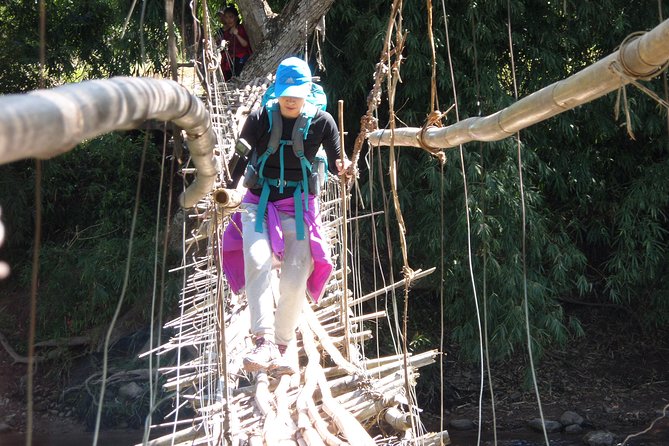
- Seven hours of walking each day: Expect a demanding route through Nam Ha National Protected Area, with steep, wet, and slippery conditions possible.
- Two nights in the forest: Camping gear is supplied, and the campsite sits near a small stream on a mountain peak.
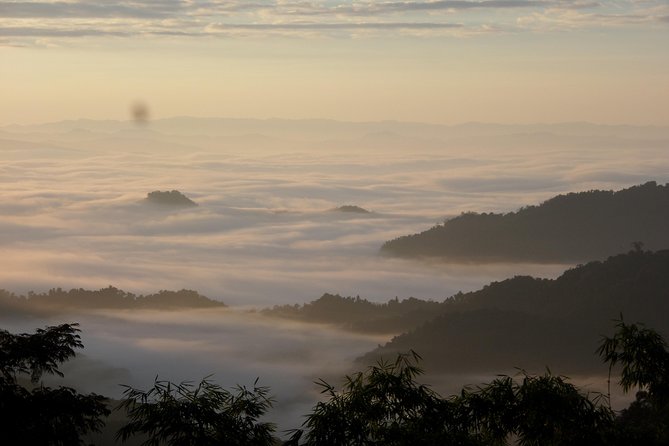
- Sunrise is part of the reward: The high campsite offers broad morning views, though weather can affect what you see.
- Forest cooking is central to the experience: You may gather wild vegetables and cook local-style food in bamboo tubes.
- Small groups keep the trek personal: The stated maximum is eight people, although one past departure had nine.
- The guide makes a big difference: Guides including Peng, Xai, Pheng, Jaiy, Pent, and Noy have been associated with trips, but ask who will lead your departure.
What the Wild Explorer really involves
This is a forest expedition with a community tourism angle, not a standard sightseeing tour. You leave The Hiker Travel Agency in Luang Namtha at 8:30 a.m. and return to the same meeting point after three days.
The route is based in Nam Ha National Protected Area, one of the main reasons to choose Luang Namtha for an active trip. You spend long stretches walking beneath the forest canopy, crossing rough ground, and learning how local guides move through the area. The itinerary names one main stop, Nam Ha NPA, because the forest itself is the destination.
I would think of the tour as a practical introduction to jungle travel. Your guide handles navigation, while you learn how to make a fire, use simple forest resources, and manage nights outdoors. That gives the trip more substance than a hike that simply leads to a viewpoint and back.
The setting also has a useful degree of uncertainty. The forest is not a wildlife park, and there is no promise of seeing animals. One dissatisfied participant saw only a frog, so you should book for the walking, food, village contact, and forest skills rather than for a guaranteed animal encounter.
More Trekking Tours in Luang Namtha
- Nalan Trail Kmu Ethnic Experience – 2days forest trek with homestay.
★ 5.0 · 21 reviews - Hunter Trails, 3 days difficult trekking with Camping & Homestay
★ 5.0 · 15 reviews - Nam Ha NPA 3 Day Wildlife Jungle Camp and Village Homestay Trek
★ 5.0 · 11 reviews
Day one: leaving Luang Namtha for the forest
The first morning starts at The Hiker Travel Agency on Main Street in Phonexay Village. The listed start time is 8:30 a.m., so arrive ready to move rather than treating the meeting point as a casual late-morning gathering.
The first day includes lunch and dinner. Food is one of the tour’s strongest features because it is not treated as an afterthought. Your guides prepare local-style meals with forest ingredients, and the program may involve picking wild vegetables and cooking in bamboo tubes.
That detail matters. A packed lunch would keep you fed, but it would not teach you much about how food is prepared in the forest. Here, the meal becomes part of the outing. You see the work involved, take part when appropriate, and eat something tied to the place you are walking through.
The walking is the serious part of day one. About seven hours in the jungle is a long day for anyone, and the route can become tougher in bad weather. One account describes slippery trails and difficult conditions, while another praised the effort as hard but rewarding. Bring the right attitude: this is not a polished path with frequent rest stops.
The first night is listed as camping. You receive a tent, sleeping bag, mattress, and mosquito net, though the program also allows for making your own shelter. That option is useful if you want the survival-skills side of the trip, but do not assume you must construct your entire night’s shelter. Ask the operator what the group will use on your departure.
Day two: forest skills, cooking, and the high campsite
Day two includes breakfast, lunch, and dinner. By this point, your body has had one full day to adjust to the pace, and the forest routine becomes clearer: walk, stop, learn, eat, and set up camp.
The survival lessons are not decorative extras. Learning to make a campfire gives you a better sense of how much work a basic forest camp requires. The shelter option adds another practical layer, especially for people who want more than a guided walk.
The campsite is described as being near a small stream and on a mountain peak. That combination makes the location memorable, but it also suggests a few practical concerns. Water nearby adds atmosphere and utility, while a high position offers a better outlook. At the same time, mountain camping can feel exposed in bad weather, and the sleeping conditions will be basic.
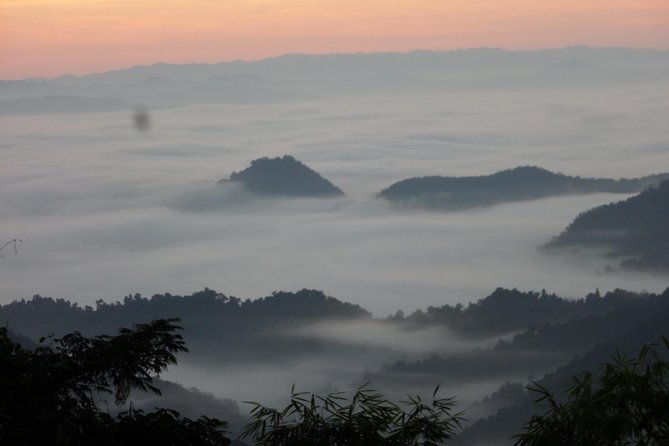
The best part may come at sunrise. The elevated campsite is chosen for panoramic morning views, so you should be prepared to get up early and step outside before breakfast. Clouds, rain, or mist can change the view, but the setting still gives the second night a clear purpose.
Some departures have included a homestay rather than camping. One customized trip used two homestays, while another included a homestay on the second night. That is useful if village life matters more to you than sleeping outdoors, but it also shows that routes can change. The advertised Wild Explorer plan includes two nights of camping, so ask The Hiker in advance about any homestay request.
Day three: a final forest morning and return
Day three includes breakfast and lunch, followed by the trek back toward the meeting point. The exact route and village stops are not fixed in the information provided, so you should expect the guide to shape the day around trail conditions, weather, and the group’s pace.
This final day is not a short exit stroll. The program describes approximately seven hours of trekking each day, and the accumulated effort makes day three feel different from day one. A strong fitness level is required, not merely recommended.
The reward is the sense of having crossed a real section of forest under your own power. You have cooked with forest ingredients, spent nights outdoors, and learned basic camp skills. For me, that makes the return to Luang Namtha feel earned.
Some versions of the three-day outing have also included kayaking. The standard information for this experience centers on trekking and camping, so treat kayaking as something to confirm rather than a guaranteed feature of every departure.
More trekking tours in Laos:
- Luang Prabang to Nong Khiaw: River Cruise, Hike & Waterfall
★ 4.4 · 53 reviews - Full Day Trek to Kuang Si Waterfalls, Remote Village
★ 5.0 · 38 reviews - Luang Prabang: Full Day Trek to Kuang Si Waterfall & Village
★ 4.6 · 20 reviews - Luang Prabang Thin Pha Trail & Tad Sae Falls Trek
★ 4.6 · 17 reviews
The guides can shape the whole experience
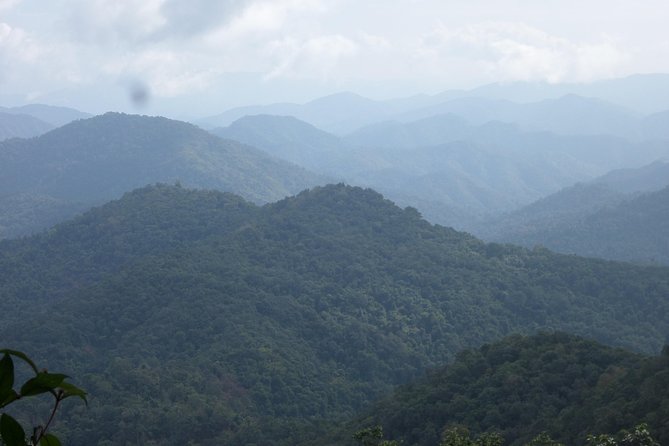
A good forest guide does more than point along a trail. The guide must navigate, explain plants and village life, manage food, and keep a group moving safely through changing conditions.
Peng has been associated with the Wild Explorer trek and is described as having strong knowledge of the jungle, local culture, history, and agriculture. Xai has also led departures and is noted for friendly communication in English, explanations about villages and nature, cooking, and a patient manner with children.
Other guide names connected with the experience include Pheng, Jaiy, Pent, and Noy. That list suggests you may not receive the same guide each time. I recommend asking who is assigned to your group, especially if clear English or a particular interest in farming and village life matters to you.
There is one important caution. One poor experience involved two guides with limited English and weak delivery of the expected wildlife experience. That does not define every departure, but it is a reason to confirm the guide arrangement and the exact plan before you set out.
Food is more than a meal break
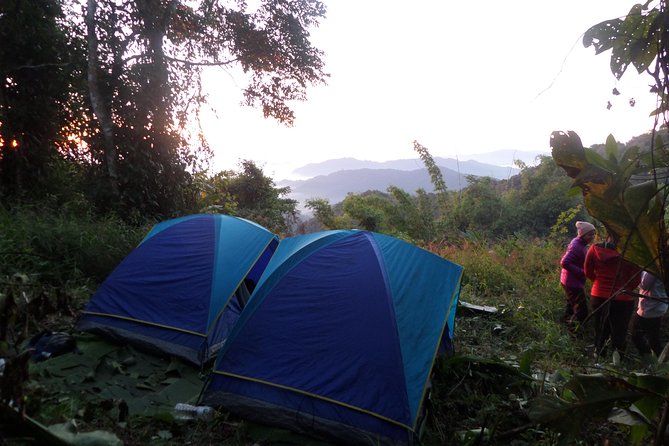
The food program gives this trek much of its character. Lunch is included on all three days, breakfast on days two and three, and dinner on the first two nights. Dinner is not listed for the third day, so plan on eating after the activity ends.
The ingredients may come from the forest, and you may help pick wild vegetables. Meals are cooked in a local style, including preparation in bamboo tubes. The cooking itself becomes a lesson in resourcefulness, and it gives you a direct connection to the places you pass through.
Several guide accounts emphasize the food, especially dishes prepared in difficult weather. That is worth noting because a long jungle day can make a simple hot meal feel like a major reward. Still, dietary needs are not explained in the supplied details. If you have allergies, restrictions, or strong food preferences, ask The Hiker before booking.
Camping gear is supplied, but your personal kit matters
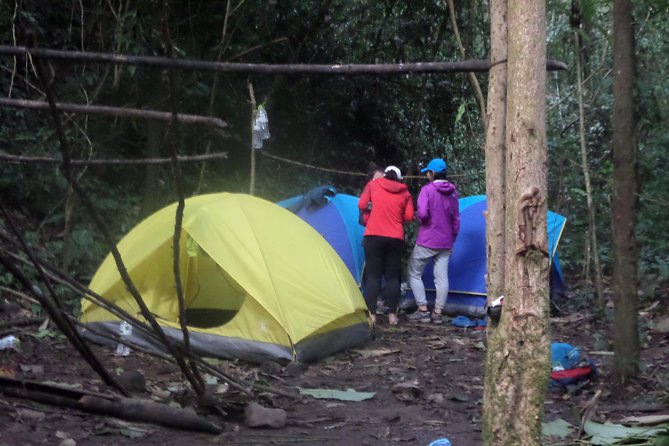
The tour includes a sleeping bag, mattress, mosquito net, and tent. It also covers fees and taxes, the community-based tourism fund, local guide wages, the village pass fee, and the forest conservation fund.
You must bring the items that keep you comfortable and dry:
- A rucksack
- Hiking boots
- Hat
- Sunscreen
- Mosquito spray
- Torch
- Raincoat during the wet season
- Warm clothes
- Spare clothes
- Clothes and shoes that can get wet
- Pocket money
That packing list tells you plenty about the route. Wet-weather gear is not optional during the rainy season, and a torch is essential for camp life. Spare clothes matter because the program specifically warns you to bring items that can get wet.
The lack of a supplied rucksack also matters. Pack light enough for a three-day trek, but do not leave out warm layers or rain protection. The provided sleeping gear reduces the amount you must carry, but it does not turn the trip into a comfortable lodge-to-lodge walk.
How much value do you get for $154?
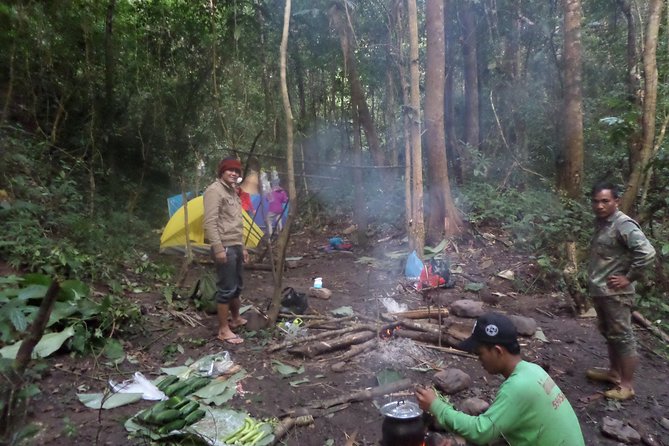
At $154 per person, the price is reasonable for a three-day guided forest trip if you use the included services. You receive six listed meals, camping equipment, guide support, national park and village-related fees, and contributions to local and conservation funds.
The value is strongest if you want an active, local experience rather than a private comfort-focused tour. You are paying for time in the forest, navigation, meals made along the route, and access to a community-based program. Those costs are easy to underestimate when comparing the trip with a basic day hike.
The price is less compelling if you mainly want wildlife sightings or an easy scenic walk. Wildlife is not assured, and the physical demands are high. You are also not buying luxury bedding, private rooms, or a fixed schedule with a polished attraction at every stop.
Group discounts are available, and the stated maximum is eight people. A smaller group may make it easier to ask questions and adjust the pace, while a larger group can spread the social side of the experience. Ask how many people are booked before paying if group size is important to you.
Who should choose this trek?
I would recommend the Wild Explorer to you if you enjoy long walks, basic camping, local food, and learning by doing. It suits people who want a real forest experience and are comfortable with mud, sweat, simple sleeping arrangements, and changing plans.
It also works well for anyone interested in the human side of the region. Village visits and explanations about farming, local life, and nature can add meaning to the walking, especially with a guide such as Xai or Peng.
I would not choose it for a relaxed holiday, a first-ever outdoor trip without preparation, or a wildlife guarantee. Seven hours of jungle walking for three consecutive days requires strong fitness, and the weather can make an already difficult route harder.
Families should be careful. One guide was praised for being good with children, but the activity still requires a strong fitness level. A child’s age, stamina, and experience with rough trails matter more than the fact that a guide can work well with children.
Booking details worth checking before you go
The activity is usually booked about 17 days ahead, so do not leave it until the last minute if your Luang Namtha schedule is tight. Confirmation is provided when you book, and the activity returns to the starting point.
Ask these questions before departure:
- Is the plan two camping nights, or can one night be changed to a homestay?
- Who will guide the group, and how well do they speak English?
- How many people are booked?
- Is kayaking included in this specific departure?
- What happens if rain changes the route?
- Can the kitchen accommodate dietary needs?
Free cancellation is available up to 24 hours before the 8:30 a.m. start time. After that, changes and refunds are not accepted. The tour needs good weather and a minimum number of people, so a cancellation by the operator may lead to another date, another activity, or a full refund.
Should you book the Wild Explorer?
Book it if you want a demanding, hands-on forest trip with local cooking, camping, survival skills, and a chance to learn about village life. The sunrise campsite and bamboo-tube meals give the three days a clear sense of place, while the community and conservation fees add value beyond the walk itself.
Skip it if your main goal is guaranteed wildlife, soft beds, or an easy route. Before you pay, confirm the guide, group size, camping or homestay arrangement, and whether kayaking is included. With those points clear, this is a strong choice for fit hikers who want to experience Nam Ha at walking pace.
FAQ
Where does The Wild Explorer take place?
The trek takes place in Nam Ha National Protected Area near Luang Namtha, Laos.
How long is the experience?
The activity lasts three days, with about seven hours of jungle trekking each day.
What time does the tour start?
The listed start time is 8:30 a.m.
Where do I meet the guide?
You meet at The Hiker Travel Agency, 17A Main Street, Phonexay Village, Luang Namtha 03000, Laos.
Where does the activity end?
The activity ends back at the meeting point.
Are two nights of camping included?
Yes. The standard plan includes two nights camping with a tent or the option to make your own shelter. Some departures may be customized to include a homestay, so confirm this before booking.
Is camping equipment provided?
Yes. A sleeping bag, mattress, mosquito net, and tent are included.
Are meals included?
Breakfast is included on days two and three. Lunch is included on all three days. Dinner is included on days one and two.
What should I bring?
Bring a rucksack, hiking boots, hat, sunscreen, mosquito spray, torch, wet-weather clothes and shoes, spare clothes, warm clothes, pocket money, and a raincoat during the wet season.
Do I need to be physically fit?
Yes. The activity is described as a difficult hike and requires a strong fitness level.
How many people can join the tour?
The stated maximum is eight people. Group discounts are available.
Is wildlife guaranteed?
No. The information does not guarantee wildlife sightings, so you should not book the trek expecting to see specific animals.
Is the price refundable if I cancel?
You can cancel for a full refund up to 24 hours before the experience starts. Cancellations or changes made less than 24 hours before the start are not accepted.
What happens if bad weather cancels the trek?
If poor weather causes the operator to cancel, you will be offered a different date or a full refund.
More 3-Day Experiences in Laos
- From Chiang Mai : 3 Day 2 Night Slow Boat to Luang Prabang
★ 3.4 · 26 reviews - Luang Prabang: 3-Day Cultural Remote Trek With Homestay
★ 4.9 · 9 reviews - Luang Prabang: Nong Khiaw 3-Day Trekking & camping, Homstay
★ 5.0 · 9 reviews - 3 Days Multi Adventure in Nam Ha NPA: 2 Days Trek and 1 Day Kayak
★ 5.0 · 7 reviews
Just added around Laos
- Luangprabang: Dinner with Lao Traditional Dance Performance★ 4.0 · 3 reviews
- Vientiane: Lao Cultural Attire Rental Experience★ 5.0 · 3 reviews
- Vientiane: Half-Day City Tour – Morning or Afternoon★ 4.0 · 3 reviews
- Vientiane Private Lao Cooking Class with Market Tour★ 4.0 · 3 reviews
- Vang Vieng: Zipline&Water Cave&Tham Chang&Blue Lagoon 1★ 5.0 · 3 reviews
- Vientiane Private Walking Tour With A Guide (Private Tour)★ 4.5 · 3 reviews
- Luang Prabang Night-time Explorer★ 3.5 · 3 reviews
- Sunset Cruise in Luang Prabang with Live Performance★ 4.5 · 3 reviews
Trekking Tours in Luang Namtha, compared.
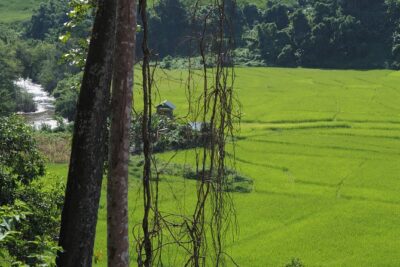
Nalan Trail Kmu Ethnic Experience – 2days forest trek with homestay.
Read our review →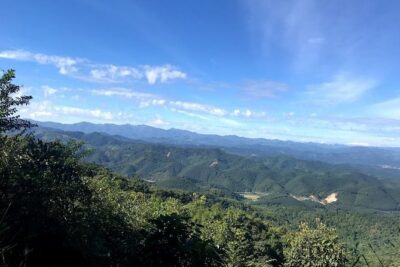
Hunter Trails, 3 days difficult trekking with Camping & Homestay
Read our review →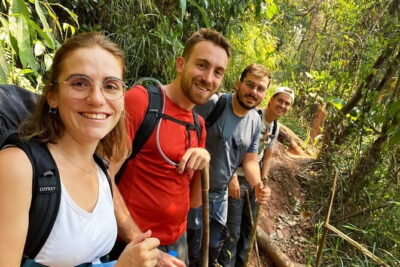
Nam Ha NPA 3 Day Wildlife Jungle Camp and Village Homestay Trek
Read our review →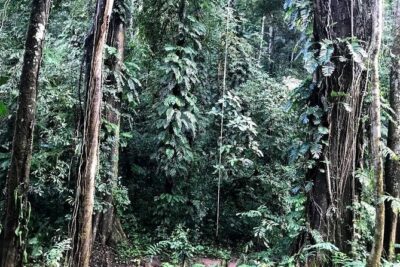
The Ultimate Hiker’s Choice – 5 days forest trek with homestay and camping
Read our review →3 Days Multi Adventure in Nam Ha NPA: 2 Days Trek and 1 Day Kayak
Read our review →
Nalan Trail and Khmu Tribe: 2 Days Trek in Nam Ha NPA
Read our review →Browse the lists this tour appears in