
Reviewed · VIENTIANE TOURS
Vientiane Private Lao Cooking Class with Market Tour
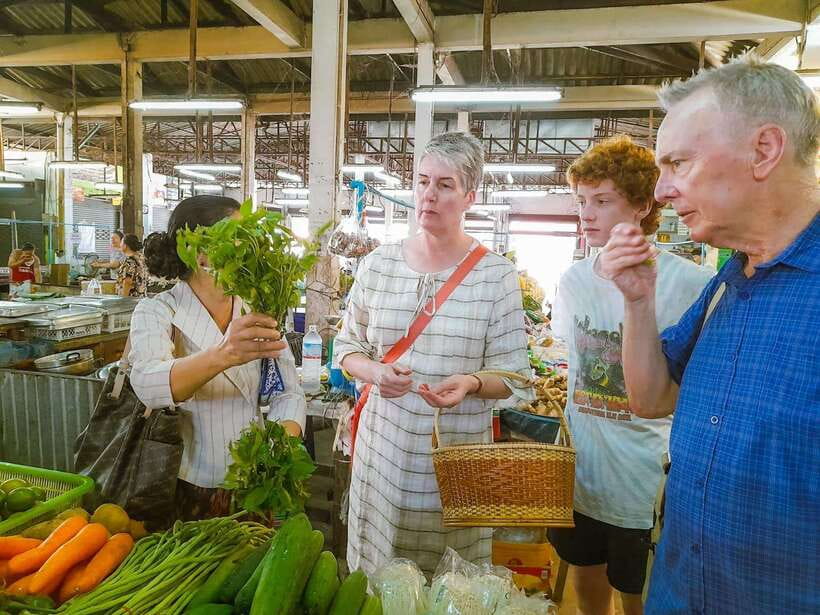
The most interesting part of this Vientiane cooking class is that it begins beyond the kitchen. You visit a local market, examine Lao herbs and plants, and learn how older cooking tools were used before settling in to prepare a meal at Madam Phasouk Cooking House. The small group, limited to four people, should give you room to ask questions.
I like the market-to-table format, and I like the chance to learn about traditional Lao equipment and Son Phao Thai Daeng, also called Red tribe, culture. The main concern is consistency: one recent participant praised the friendly cook and recipes, while another felt the market explanations were weak and the dishes did not taste traditionally Lao. Freshly steamed sticky rice may also be worth requesting.
Key points at a glance
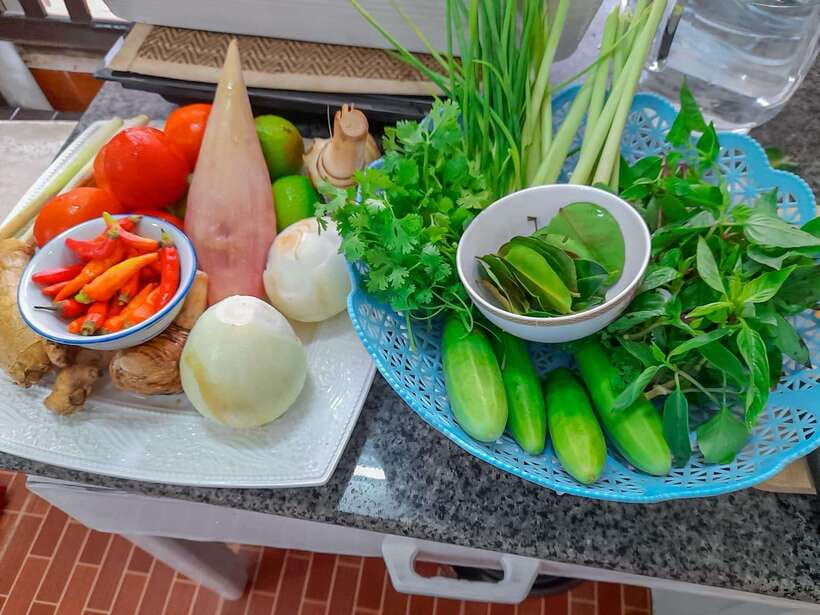
- A market visit comes first: You help see and discuss the ingredients before using them in class.
- Madam Phasouk Cooking House adds cultural context: The visit includes Lao herbs, plants, old cooking equipment, and information about Red tribe culture.
- The class lasts six hours: About two hours are assigned to the market, cooking, and food tasting, with roughly two hours of van travel in the stated schedule.
- The group is very small: A maximum of four participants makes questions and hands-on help easier.
- The price is $70 per person: That is reasonable if you value transport, instruction, ingredients, and cultural background, but less attractive if you want only a short cooking lesson.
- Sticky rice deserves attention: Ask whether it will be served hot and freshly steamed, not cold or hardened.
Why this class is more than a meal
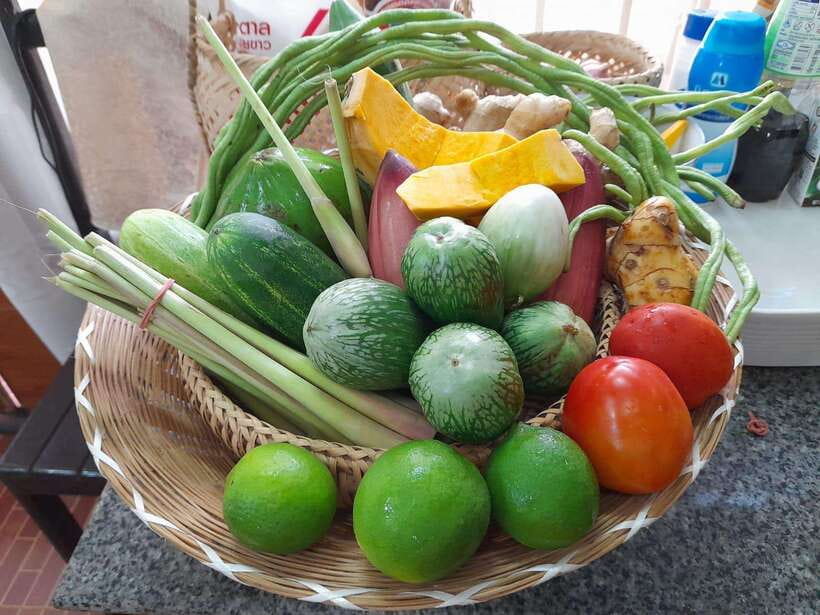
Lao food makes more sense when you see the ingredients before they reach the cooking pot. This class connects a local market with the kitchen, so you are not simply handed a prepared basket of vegetables and herbs. You get a chance to look at the produce, learn what the plants are used for, and see how local shopping shapes the meal.
That connection is the strongest idea behind the day. You are learning dishes, but you are also learning how Lao cooks identify ingredients and how food fits into local life. The class includes an introduction to herbs and plants, plus a look at older equipment used by ancestors. Those details can be more memorable than a printed recipe.
The cultural section on Son Phao Thai Daeng, or Red tribe, traditions gives the class a wider frame. The information provided does not list the exact dishes or specific cultural objects, so you should treat this as an introduction rather than a full anthropology lesson. Still, it can help you understand that cooking is tied to family knowledge, regional customs, and tools passed through generations.
More cooking classes in Vientiane:
- Luang Prabang: Evening Cooking Class & Local Baci Ceremony
★ 4.9 · 151 reviews - Luang Prabang: Bamboo Weaving Workshop & Cooking Class
★ 5.0 · 96 reviews - Luang Prabang: Cooking Class at the Former Royal Palace
★ 4.9 · 51 reviews
The long ride from Vientiane
The schedule includes about one hour in a van before the main activity and another hour on the return trip. That makes the class a half-day outing in practical terms, even though the total duration is six hours.
The drive is worth considering before you book. You are paying for more than time at a cooking bench, and the journey may suit you if you want to see a setting outside central Vientiane. If your schedule is tight, the travel time reduces the amount of instruction and eating time you receive.
Two pickup and drop-off options are shown at COSI Vientiane Nam Phu Laos. At the same time, the arrangements say to provide your hotel name and location so a driver can collect and return you. Since the details are not perfectly aligned, send your hotel information when booking and confirm the exact meeting point and pickup time.
Arrive promptly. A late start could affect the market visit, the cooking session, or the return transfer, and a small group cannot easily wait for one person.
Shopping for ingredients at a local market
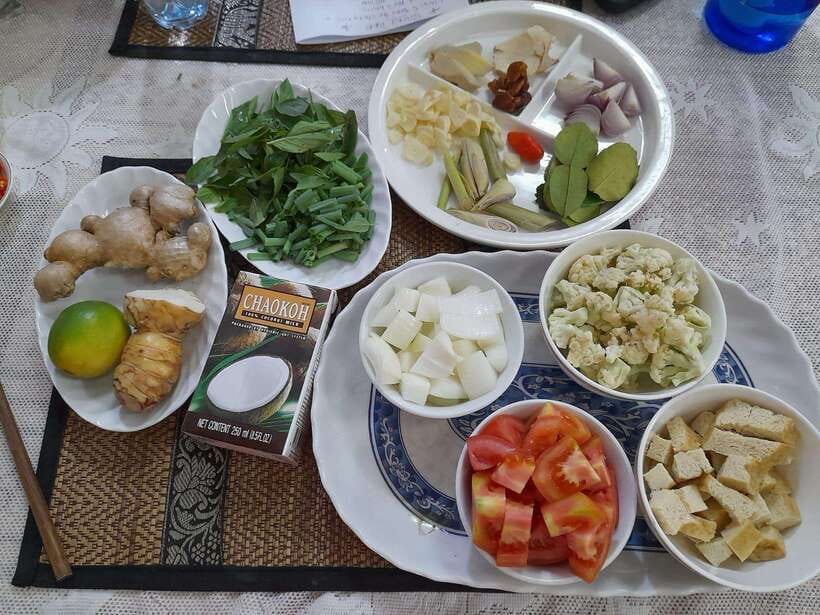
The market visit is meant to be practical rather than decorative. You go there to purchase fresh ingredients for the class and to learn about the produce you will later handle in the kitchen.
I like this order. When you first see unfamiliar herbs and plants in their natural market setting, you have a better chance of remembering them. A guide can point out differences in appearance, smell, and use, then show how they fit into a Lao recipe.
This is also the portion of the class that needs the clearest guiding. One recent participant felt the guide spent too much time taking photographs and not enough time explaining the produce. That is useful advice for you: ask direct questions as you walk. Ask what each herb is called, how it is used, and what a substitute might be if you try the recipe at home.
The supplied details do not name the market or list the produce. Do not expect a fixed market lecture covering every ingredient in Lao cooking. The quality of this section may depend on how much explanation your guide gives on the day.
You should also bring water, a hat, sunscreen, and comfortable clothes. Market walking and outdoor time can be hot, and the class asks you to be ready for both movement and kitchen work.
Inside Madam Phasouk Cooking House
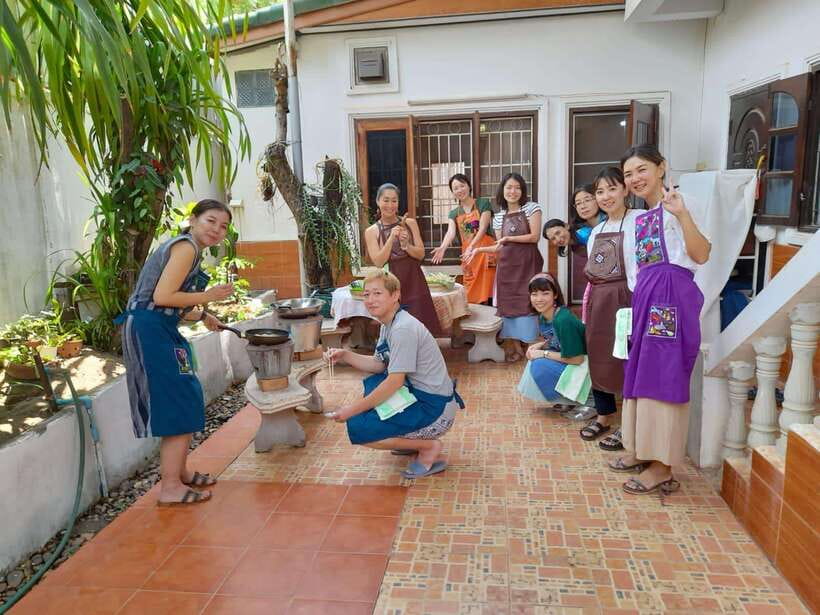
The cooking takes place at a local restaurant and cooking house, where an English-speaking chef guides the class. The setting includes a garden area, according to the practical advice for the day, so you may spend time among plants as well as at the cooking station.
The class is designed for beginners and more experienced cooks. That broad approach is helpful if you are traveling with someone who has little kitchen experience, but it also means the pace may not be highly technical. Expect instruction in preparing the selected dishes, handling ingredients, and understanding the cultural importance behind the food.
The small group limit of four is a real advantage. You should have more opportunity to watch each step closely, ask for clarification, and receive help with unfamiliar techniques than you would in a large demonstration class. A private or near-private setting can also make it easier to discuss food traditions rather than simply copy instructions.
The exact menu is not provided in the information available. That matters if you are booking because you have a particular dish in mind. Ask what you will cook before committing, especially if you already know Lao cuisine well or want recipes suitable for home cooking.
Same country, a completely different kind of day:
- Vientiane Cultural Tour with Private Guide
★ 5.0 · 80 reviews - Vientiane: Cultural Tour with Buddha Park and Patuxay
★ 4.6 · 74 reviews - Vientiane: Half-Day City Tour with Patuxai and Buddha Park
★ 4.5 · 57 reviews - Vientiane Cuisine & Culture: The Hungry Tuk Tuk
★ 4.5 · 53 reviews
How authentic is the food?
The class presents itself as a lesson in authentic Lao cooking, but the outcome may depend on the menu and preparation. One participant from Laos found the dishes did not taste Lao, while another praised the recipes and said they were appealing to make at home.
That difference is important. A visitor looking for an accessible introduction may be pleased with clear recipes and a friendly cooking session. Someone with strong knowledge of Lao food may expect more exact regional flavors, traditional methods, or a more carefully prepared side dish.
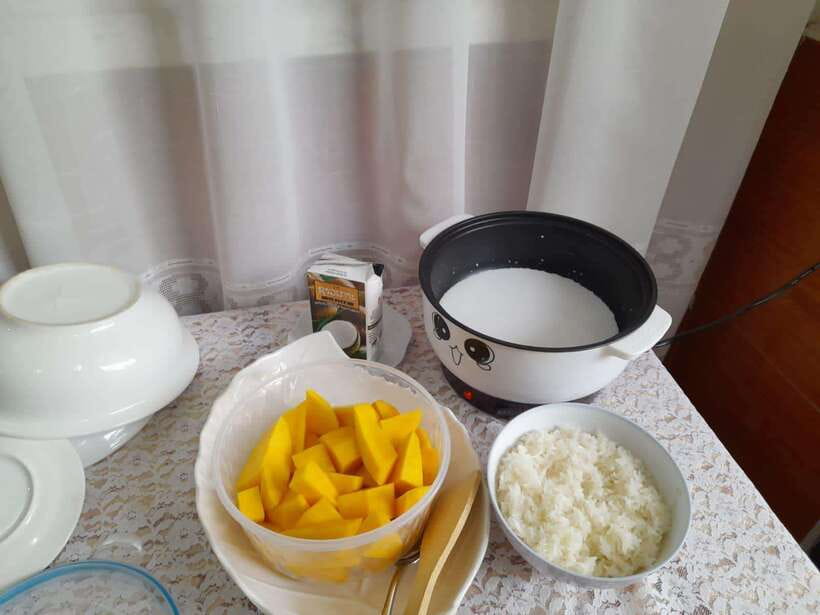
Sticky rice is the clearest practical issue raised by the feedback. The meal included cold sticky rice with hard pieces, and the suggestion was to serve it freshly steamed. If sticky rice is important to you, ask about it early in the class. This is a small detail, but it can change how satisfying the final meal feels.
You should also ask the chef about seasoning and regional style. A dish can be adapted for visitors, simplified for a class, or prepared in a way that differs from what you know. That does not automatically make it bad, but it helps you understand what you are eating.
Eating what you prepare
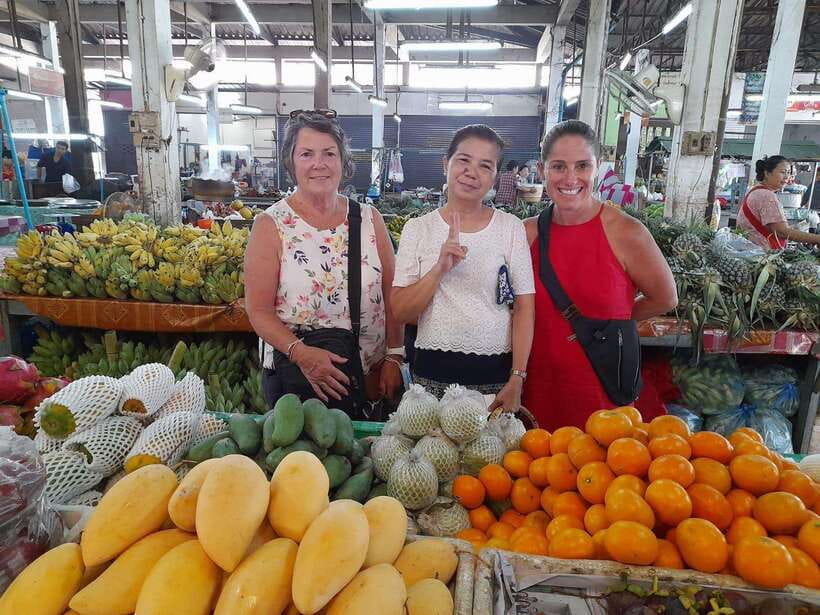
At the end, you eat the dishes you have made and pair them with authentic Lao beverages. This meal is part of the lesson, not just a reward. You can compare the result with the chef’s intended flavor and ask what you would change when cooking at home.
The class includes ingredients, food tasting, and the chef’s guidance. Meals not mentioned in the program are not included, so do not assume that extra food or drinks beyond the class meal will be provided. Come hungry, but do not expect a full day of unlimited eating.
The meal is also where the class either proves its value or feels ordinary. Good recipes that invite you to cook again at home can justify much of the $70 cost. If the food feels generic or the rice is poorly handled, the value drops.
What $70 buys you
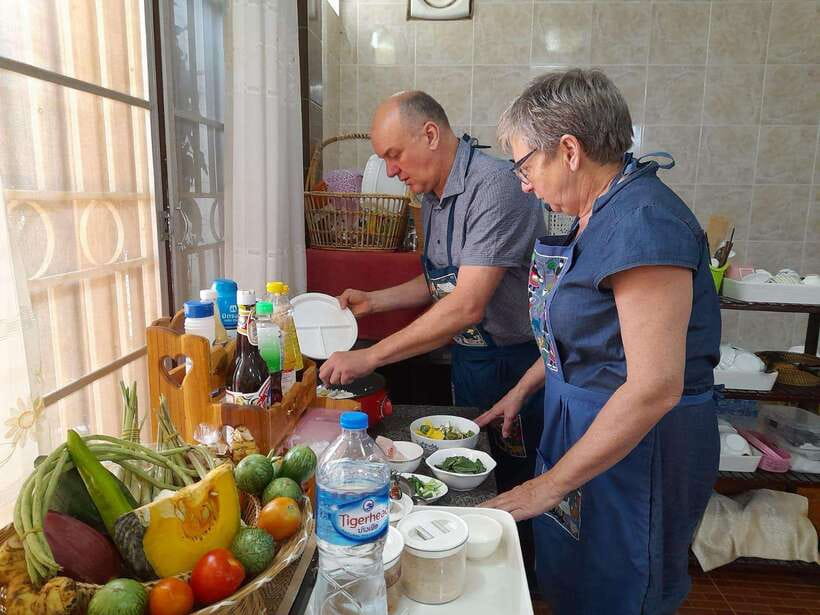
At $70 per person, this is not the cheapest way to eat in Vientiane. You are paying for a six-hour outing, an English-speaking guide, transport in the stated schedule, a market visit, ingredients, chef instruction, food tasting, and cultural information about plants and equipment.
The maximum group size of four strengthens the value. With only a few people, your fee supports a more personal lesson instead of a crowded demonstration. The market component also adds something you would not get from a standard restaurant meal.
Still, the price makes expectations important. If you want a two-hour class with a simple meal, this is probably more time and money than necessary. If you want a broader food-and-culture outing with transport and a market visit, the fee is easier to justify.
I would judge the value by your interest in Lao food. A curious first-time cook may get a pleasant introduction and recipes to take home. A serious food enthusiast should confirm the menu, ask how traditional the methods are, and clarify the sticky rice plan first.
Who should book, and who should skip it
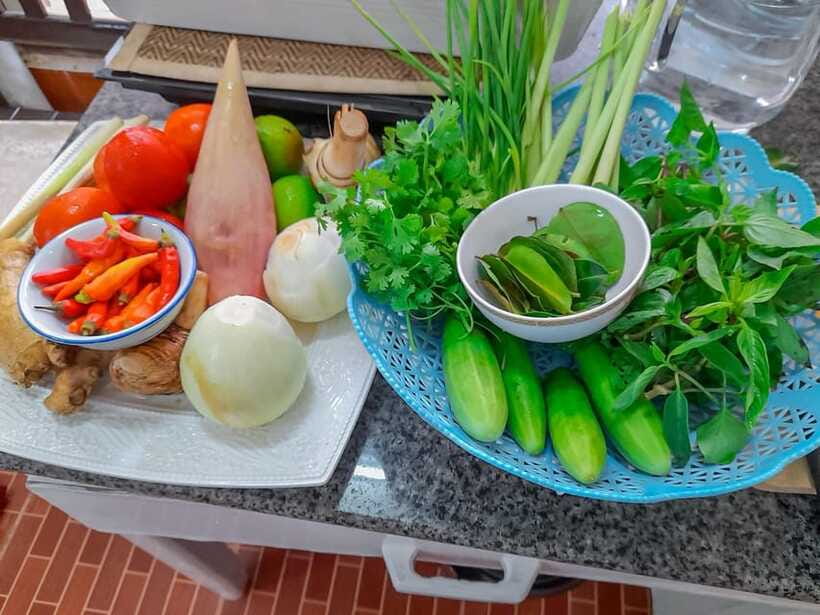
This class suits adults and older teenagers who enjoy food, plants, and cultural explanation. The minimum age is 12, so families with younger children need another activity. It also suits people who prefer a small group and want to ask questions without competing with a busload of classmates.
It is not suitable for wheelchair users, and it is not suitable for people with food allergies. The class requires attention to ingredients and plants, and the program does not promise allergy-safe substitutions. If you have any dietary restriction, the provided information does not confirm that the chef can accommodate it, so ask before booking.
You should also skip it if you dislike outdoor time, van rides, or practical market visits. This is not a quick indoor lesson. It combines travel, walking, ingredient shopping, cultural explanation, cooking, and eating.
Bring a camera if you want pictures of your dishes and the garden setting, but let the cooking remain the main event. Wear comfortable clothing, carry water, and use sun protection. Smoking, alcohol, and drugs are not allowed, and you are asked not to touch the plants.
Booking advice for a smoother day
The activity offers free cancellation up to 24 hours before departure and allows you to reserve now and pay later. Those terms help if your Vientiane plans are still shifting, but you should still check the available start times for your date.
Send the provider your hotel name and location. Even though COSI Vientiane Nam Phu Laos is shown as a pickup and drop-off point, the instructions also say the driver can collect you from your hotel. Confirm which arrangement applies to you.
Before the day arrives, ask three useful questions:
- What dishes will we prepare?
- Will sticky rice be freshly steamed for the meal?
- Where exactly will the driver collect us, and at what time?
These questions address the biggest unknowns without making the booking difficult. They also show the chef that you want to understand the food, not simply take part in a staged demonstration.
My verdict on the Vientiane cooking class
I would book this class if I wanted a small, food-focused outing that connected a market visit with cooking and cultural background. The four-person limit, plant introduction, old equipment, and Red tribe cultural section give it more substance than a basic recipe lesson.
I would not book it without clarification if authenticity is my top priority. The mixed experience with the food, the weak market guidance described by one participant, and the cold sticky rice issue point to uneven delivery.
For the best chance of a good day, confirm the menu and pickup details, request freshly steamed sticky rice, and take an active role in the market discussion. If you do that, the $70 price can make sense for a compact introduction to Lao food and cooking. If you only want a polished meal or a guaranteed expert-level culinary lesson, choose carefully.
FAQ
How long does the Vientiane cooking class last?
The activity lasts six hours. The stated schedule includes about one hour in a van before the main activity and about one hour for the return journey.
What is included in the price?
The price includes an English-speaking guide, a local market visit, a cooking class with a chef, cooking ingredients, an introduction to Lao herbs and plants, information about traditional Lao equipment, and insight into Son Phao Thai Daeng, or Red tribe, culture.
Where does pickup take place?
COSI Vientiane Nam Phu Laos is listed as a pickup and drop-off option. You are also asked to provide your hotel name and location so the driver can arrange collection and return, so confirm the exact details before the activity.
How many people are in the group?
The group is limited to four participants.
Is the cooking class conducted in English?
Yes. The activity includes a live English-speaking guide.
Is food included?
Ingredients for the cooking class, food tasting, and the meal made during the class are included as stated. Meals not mentioned in the activity are not included.
Can children join the class?
Children under 12 years are not permitted to take part.
What should I bring?
Bring a hat, camera, sunscreen, water, comfortable clothing, and any requested ingredients. Arrive at the meeting point on time, and do not bring alcohol or drugs.
More Workshops in Vientiane
- Day-time Bamboo weaving & Cooking Classes join-in
★ 5.0 · 38 reviews - Luang Prabang: Hmong Batik Art Workshop
★ 5.0 · 27 reviews - Evening Bamboo weaving & Cooking classes join-in
★ 5.0 · 17 reviews - Tribal Cooking Class in Luang Prabang Forest and visit
★ 5.0 · 15 reviews
More Market Tours in Vientiane
- Private Tour Full-day Morning Market, Villages and Scenic Kuang Si Waterfall
★ 4.5 · 22 reviews - Traditional Market Tour and Private Laotian Cooking Class with a Local
★ 5.0 · 13 reviews - Luang Prabang Local Market and Morning Food Tour with Drinks
★ 5.0 · 6 reviews - Luang Prabang Early Morning Alms Giving and Wet Market
★ 4.5 · 5 reviews
Just added around Vientiane
- Vientiane: Lao Cultural Attire Rental Experience★ 5.0 · 3 reviews
- Vientiane: Half-Day City Tour – Morning or Afternoon★ 4.0 · 3 reviews
- Vientiane Private Walking Tour With A Guide (Private Tour)★ 4.5 · 3 reviews
- Vientiane: Art, Culture, & Inspiration Guided Day Tour★ 5.0 · 3 reviews
- Vientiane Day Trip By Bike To Tad Moon Waterfall★ 4.5 · 3 reviews
- Half Day Exploring the Charms of Vientiane and hotel pickup★ 4.9 · 4 reviews
- Private Tour Vientiane – VangVieng by Express Train★ 5.0 · 4 reviews
- Private Full Day Vientiane City Tour★ 5.0 · 5 reviews
Vientiane Tours, compared.



Vientiane City Highlights Tour with Buddha Park & Lunch
Read our review →
Private Full-Day Tour with Buddha Park and Lunch
Read our review →


Browse the lists this tour appears in