
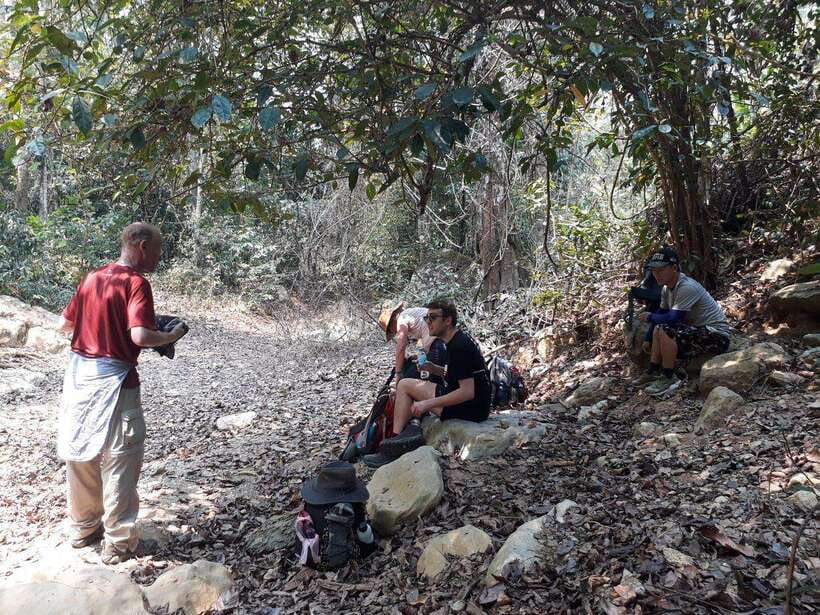
Reviewed · TREKKING TOURS IN LUANG PRABANG
Luang Prabang: 3-Day Cultural Remote Trek With Homestay
The real prize here is time in remote Hmong and Khmu villages, far beyond Luang Prabang’s temples and riverside cafes. You cross the Mekong and Nam Xeuang by local boat, then walk trails used by villagers, sleeping in homes where comfort is basic and village life is close at hand.
I like the two long, quiet stretches most: the first afternoon through rice paddies and jungle, and the final climb to broad mountain views. I also like that your guide helps explain village customs, plants, farming, and daily routines rather than simply pointing out scenery. The main drawback is clear: this is a proper trek, with six to seven hours of walking on the last day, limited washing facilities, and no way to charge camera batteries.
Key points to know before booking
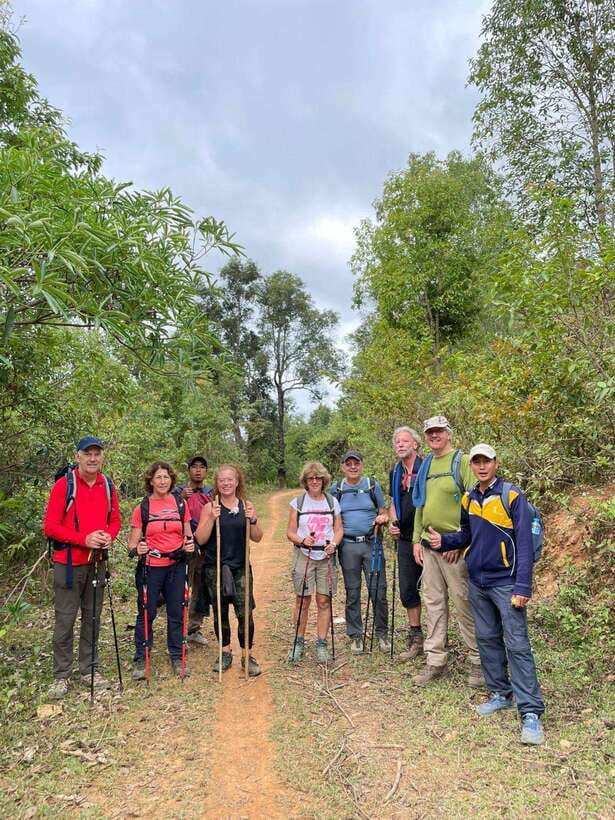
- Remote Hmong and Khmu villages: You visit communities with very few outside visitors and learn about homes, schools, farms, and local routines.
- Three days on foot: Expect four to five hours of walking on day one, about four hours on day two, and six to seven hours on day three.
- Two simple homestays: Accommodation is clean and welcoming in spirit, but not designed for comfort seekers. Running water and charging facilities may not be available.
- A local meal with your guide: Dinner is prepared by your guide and a Hmong family, giving the evening a social focus.
- The best views come after the hardest climb: Day three reaches mountain tops above the villages, then drops to the Nam Xeuang River.
- Good value at $360 per person: Transport, boat crossings, meals, guide, permits, village fees, and homestay accommodation are included.
Why this three-day trek feels different from a Luang Prabang day trip
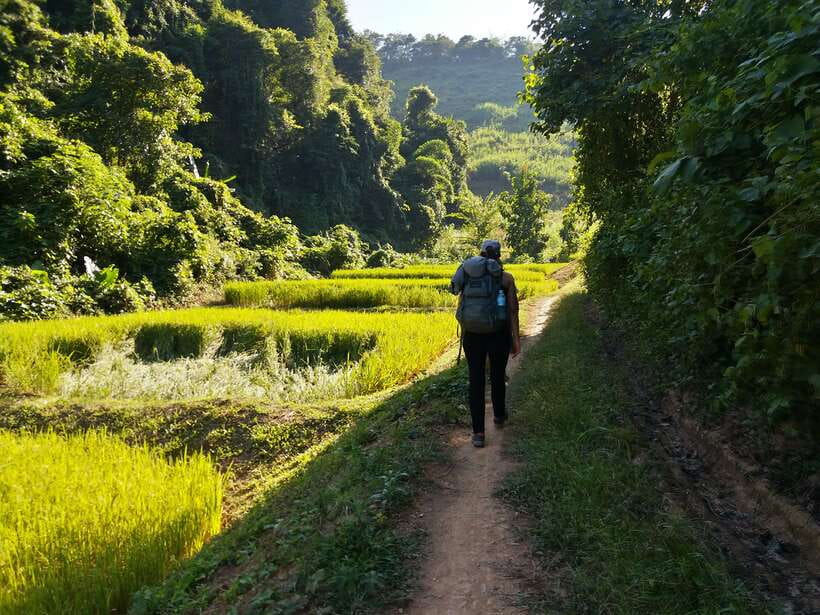
Luang Prabang is easy to enjoy from a comfortable base. You can walk between temples, watch the Mekong change color at sunset, and find excellent food without breaking a sweat. This trip asks you to give up that comfort for a few days and enter a part of the province where roads do not reach every village.
That change is the point. You are not visiting a staged cultural attraction with a quick photo stop. You walk between communities on paths that local people use to reach farms and neighboring villages. You see rice paddies, forest trails, streams, schools, homes, and steep mountain fields as part of one working world.
The experience has a 4.9 rating from nine verified bookings, and the strongest praise centers on the same things I would value: the village encounters, the guide’s explanations, the scenery, and the feeling of being far from mass tourism. Past departures have been led by English-speaking guides including Aroun and Chan. A good guide matters here because the scenery is only half the story. The other half is understanding what you are seeing.
More Trekking Tours in Luang Prabang
- Luang Prabang to Nong Khiaw: River Cruise, Hike & Waterfall
★ 4.4 · 53 reviews - Full Day Trek to Kuang Si Waterfalls, Remote Village
★ 5.0 · 38 reviews - Luang Prabang: Full Day Trek to Kuang Si Waterfall & Village
★ 4.6 · 20 reviews
Leaving Luang Prabang at 8:45 in the morning
You meet at the Tiger Trail Travel office on the same street as Villa Maly hotel at 8:20 in the morning. Departure is scheduled for 8:45. Hotel pickup and return are available if you prefer not to arrange your own way to the office.
Before leaving, store the luggage you do not need. You will be more comfortable with a small bag containing clothes, water, insect repellent, and personal essentials. Carrying a full suitcase on village paths would turn a good adventure into a poor decision.
The first road journey takes about an hour and a half. You travel north along the Mekong and then beside the Nam Xeuang River. This is not just dead transport time. It moves you from the busy center of Luang Prabang into quieter country, and the river route gives you an early sense of how separated these communities can be.
At the trailhead, you cross the river by local boat. The crossing is included in the price, and it marks the real start of the walk. From here, the route heads directly into jungle and rice country.
Day one: rice paddies, jungle paths, and a Hmong homestay
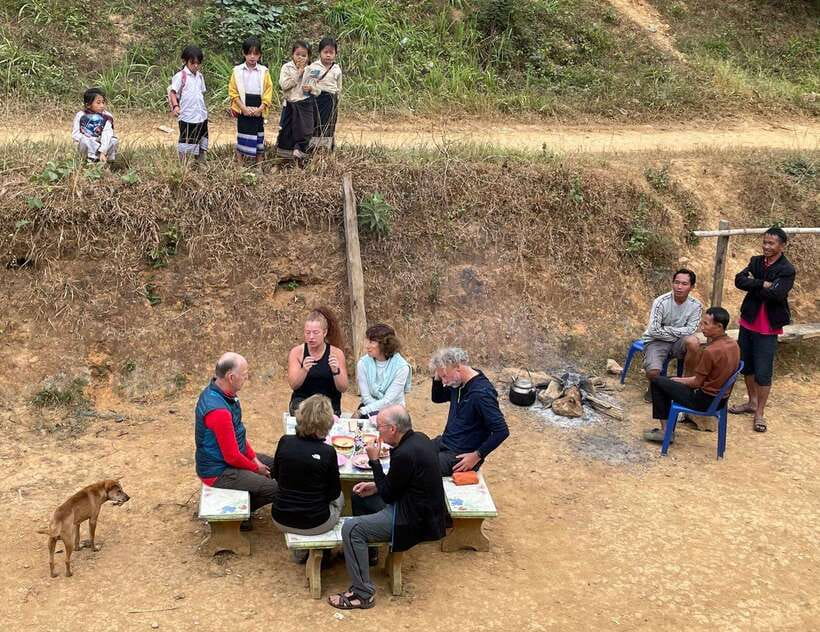
The first walk lasts about four to five hours and is described as medium grade. That sounds manageable, but the conditions matter more than the label. You may walk over uneven ground, through wet areas, and up or down slopes. Rain can make the route slower and harder, especially during the wet season.
The scenery changes as you go. Rice paddies open the view, then jungle closes around the path. These are not broad, purpose-built hiking trails. They are routes used by villagers moving between remote settlements, so you should expect a more natural and less polished walking surface.
This first day gives you time to adjust to the pace. You are not being rushed from one attraction to the next. Your guide can explain the plants, farms, and local life along the way, and the walking itself becomes part of the cultural lesson.
By evening, you reach a Hmong village and settle into a homestay. The welcome is likely to be more memorable than the furniture. Accommodation is basic, and washing and toilet arrangements are simple. You should think of it as staying in a village home, not checking into a rural hotel.
Dinner is prepared by your guide and a local Hmong family. That detail matters. A shared meal gives you a natural way to spend time with the family and ask questions through your guide. It also shows how much of village hospitality is built around food, conversation, and participation rather than facilities.
One particularly useful point: bring a change of clothes in a waterproof bag. After several hours on jungle trails, you will appreciate dry clothing far more than you would at breakfast in Luang Prabang.
Day two: a quieter walk through valleys and streams
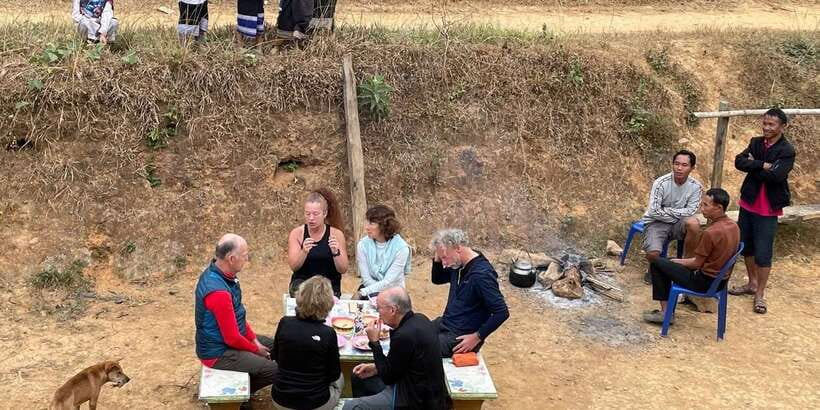
Day two begins with village activity around you and breakfast prepared by your guide. The morning offers a chance to notice the rhythm of the place before hiking again. You might see people beginning farm work or handling ordinary household tasks, but the exact activity depends on the village and the day.
The hike is about four hours, the shortest of the three. The route follows valley streams toward a large, remote village occupied by both Hmong and Khmu families. The village sits in a valley ringed by high mountains, so the arrival itself is part of the reward.
Do not expect a busy sightseeing program. The value comes from having time to walk around with your guide and understand the layout of village life. You can explore the homes, school, and surrounding farms, with explanations about the different communities and their customs.
The school visit is especially useful because it adds context to the homes and rice fields. You get a sense of how the village organizes daily life and education in a remote setting. The experience is not simply about looking at traditional buildings. It is about seeing a living community with practical challenges and its own systems.
The afternoon is intentionally less demanding. Once you arrive, you have time to explore and rest before the hardest walk of the trip. I would use this evening to dry clothes, refill water, check footwear, and sleep early. There is no electricity available for charging camera batteries during the trek, so prepare before leaving Luang Prabang.
The village may have solar power or limited local power in some form, but you should not count on it for charging. Bring a power bank if you need your phone for photos, navigation, or emergencies. Better still, enjoy the rare chance to stop documenting every moment.
Same country, a completely different kind of day:
- Luang Prabang: Cruise to Pak Ou Caves & Kuang Si Waterfalls
★ 5.0 · 1,769 reviews - Luang Prabang: Cruise to Pak Ou Caves & Kuang Si Waterfalls
★ 4.8 · 1,360 reviews - Half Day Mekong Cruise to Pak Ou Caves (Morning / Afternoon)
★ 4.6 · 290 reviews - Luang Prabang: UNESCO World Heritage City Highlights Tour
★ 4.6 · 201 reviews
Day three: a six-hour climb for wide mountain views
The final day is the physical test. The hike lasts six to seven hours and climbs toward mountain tops with panoramic views over the villages and the remote Lao countryside.
This is the day that makes good footwear essential. Comfortable shoes are listed as a must, and water shoes can be useful for wet crossings or the river at the end. During hot weather, the climb can feel demanding. One past departure faced temperatures around 37 degrees Celsius, with the steeper sections becoming especially tough.
The route follows trails used by local people tending steep, high rice fields. That makes the walk more than a viewpoint hike. You are seeing how farming fits into difficult terrain, and why the distance between a home and a field can be a serious part of daily work.
Along the way, you visit a Hmong mountain village. The combination of ridge walking, farm paths, and village life gives the day a strong sense of place. The views are broad, but they are not separate from the people below. The mountains shape where homes are built, how fields are worked, and how villages connect.
After reaching the high points, the route descends to the Nam Xeuang River. The descent will be welcome, though tired knees may disagree. At the river, you can take a well-earned swim before the return journey to Luang Prabang, which takes about an hour and a half.
The river swim is optional, but pack water-friendly clothing and a towel if you want to use it. Keep one dry outfit protected from the rest of your bag. The best end to a hard hike is not putting on the same damp shirt for the drive home.
What the homestays are really like
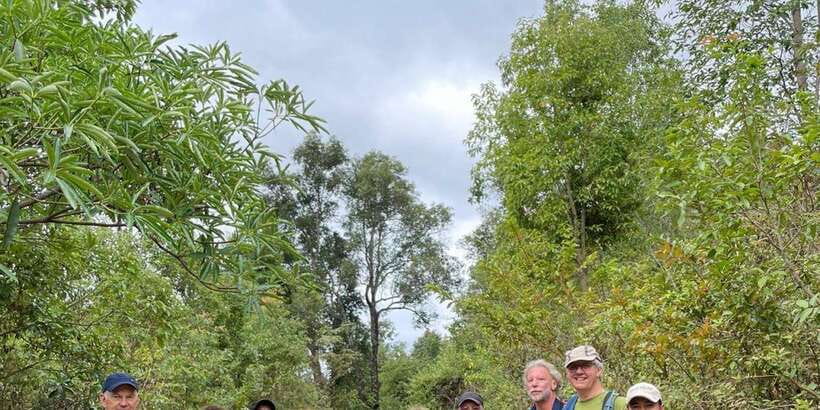
The homestays are the heart of the trip, but you need the right expectations. Conditions are basic and comfortable in the practical sense, not luxurious. You may have no running water, simple toilets, and limited washing options.
That simplicity is not a small footnote. It shapes the entire experience. You do not return from the trail to air conditioning, a hot shower, or a restaurant menu. You eat what is prepared locally, sleep in a village setting, and follow the household routine as best you can.
For some people, this will be the most valuable part of the trip. It makes rural life easier to understand because you are dealing with the same limits as the people hosting you. For others, three days without normal hotel comforts will be too much.
A little preparation helps. Pack light, bring insect repellent, carry weather-appropriate clothing, and keep your sleeping and washing items easy to reach. Modest clothing is also sensible in village settings. Your guide can help with local etiquette, but basic respect begins with dressing and behaving thoughtfully.
The village welcome can be warm and personal. During a New Year celebration, one group was invited to share food with the Khmu community, drink Lao whisky and Beerlao, listen to music, and dance. That kind of event cannot be promised, but it shows the sort of unplanned contact that can happen when you stay overnight rather than visit for an hour.
The guide makes the culture legible
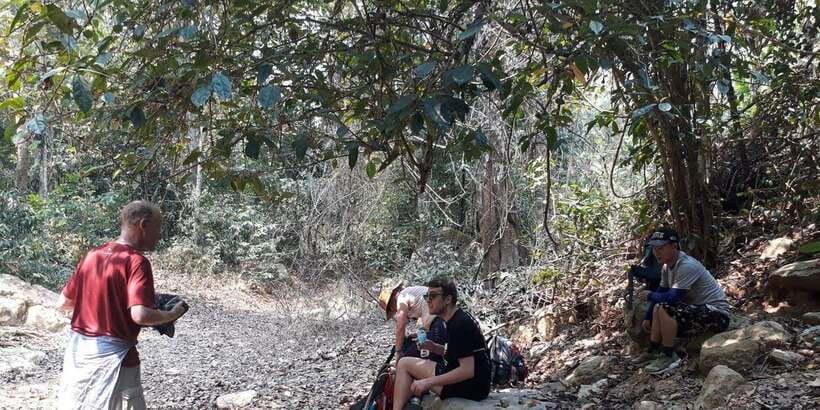
A remote village is not automatically an educational experience. Without explanation, you may notice a school, a rice field, or a household ritual without understanding its meaning. The guide turns those observations into something useful.
Guides on this experience have explained Hmong and Khmu culture, village customs, rituals, plants, and animals. Aroun and Chan have both been named as guides on past trips. Your exact guide depends on the departure, but the English-speaking guide is included and is central to the experience.
Ask questions as you walk. Why are rice fields placed on a particular slope? How do families use the forest? What differences exist between Hmong and Khmu village life? The supplied information does not promise a set lecture, so the quality of your questions will help shape the conversations.
The guide also helps with social boundaries. You are entering homes and communities, not walking through an open-air museum. Follow advice about photographs, entering houses, meals, and village schools. A respectful visit is better for you and for the people who host you.
Is $360 a fair price for three days?
At $360 per person, this is not the cheapest way to spend three days around Luang Prabang. It is also not just the cost of three hikes. The price includes transport from the city, boat crossings, all listed meals, an English-speaking guide, permits, village fees, taxes, and homestay accommodation.
Those inclusions add up. You are paying for access to remote communities, local transport, route planning, village arrangements, and a guide who can help bridge language and cultural gaps. Organizing the same combination independently would be difficult, especially once you factor in boat crossings and overnight stays.
The value depends on what you want to buy. If you want polished rooms, easy showers, and a relaxed schedule, spend the money on a comfortable hotel and shorter outings. If you want remote village life, long walks, and a genuine break from the usual Luang Prabang route, the package is easier to justify.
Specialty drinks are not included, so budget separately if you want anything beyond the provided meals and normal water arrangements. Pickup is optional, which gives you a little flexibility but also means you should confirm the meeting point if you are not using hotel collection.
Free cancellation up to 24 hours before the start and reserve-now, pay-later booking make the financial commitment less rigid. The more important commitment is physical: once the trek begins, the route continues in rain or shine.
Rain, heat, and the practical packing list
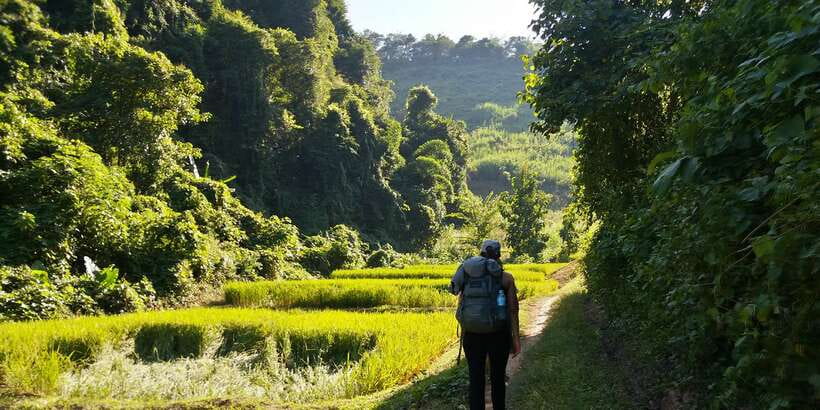
The tour runs in all weather. During the rainy season, trails can become more difficult and the walking may take longer. Mud, wet shoes, and slippery ground are not unusual concerns on a jungle and mountain route, so pack with conditions in mind rather than hoping for perfect skies.
Bring:
- Comfortable walking shoes with dependable grip
- Water shoes for wet sections and the river
- Insect repellent
- A change of clothes
- Weather-appropriate layers
- A small bag rather than a large suitcase
- A power bank, since camera batteries cannot be charged during the trek
Keep valuables and spare clothes protected from rain. You will be carrying your own essentials for long stretches, so every unnecessary item becomes a burden.
This trip is not suitable for pregnant people or anyone with mobility impairments. You should also think carefully if you dislike steep paths, simple toilets, limited washing, or sleeping away from ordinary hotel services. The route is described as medium grade on day one, but day three is a long mountain walk and should not be treated as an easy nature stroll.
Who should book this remote Luang Prabang trek?
I would choose this trip if you want rural contact over sightseeing speed. It suits hikers who can manage several hours on foot, photographers willing to conserve battery power, and curious people who want to understand how Hmong and Khmu communities live in the mountains.
It is also a good fit if you have already enjoyed Luang Prabang’s temples and want a sharper change of pace. The two village nights give the trip a clear purpose, while the mountain views and river swim add enough variety to keep it from feeling like three identical walking days.
I would not choose it for a first-time trek if you are unsure about your fitness. I would also avoid it if the phrase simple accommodation means uncomfortable rather than authentic to you. The lack of electricity, limited washing, and long final day are not minor inconveniences.
Should you book it?
Book this three-day trek if you want to see a less visited side of Luang Prabang Province and are ready to trade hotel comfort for village hospitality. The strongest reasons are the remote Hmong and Khmu communities, the guide-led cultural context, and the final mountain views.
Skip it if you want an easy excursion or predictable comfort. The price is fair for the transport, permits, meals, guiding, and homestays included, but the real cost is effort. Bring light luggage, good shoes, dry clothes, and a flexible attitude, and this can become the most personal part of your time in northern Laos.
FAQ
How long does the Luang Prabang remote trek last?
The experience lasts three days. Walking takes about four to five hours on day one, four hours on day two, and six to seven hours on day three.
Where does the trek meet in Luang Prabang?
Meet at the Tiger Trail Travel office on the same street as Villa Maly hotel. Meeting time is 8:20 in the morning for an 8:45 departure. Hotel pickup is available as an option.
What type of accommodation is provided?
You stay in homestay-type accommodation in remote Hmong and Khmu villages. Conditions are basic, with simple toilets and washing facilities. You should not expect hotel comfort or regular electricity for charging devices.
Are meals included?
All meals described in the three-day schedule are included. Dinner on the first night is prepared by your guide and a Hmong family. Specialty drinks are not included.
What should I bring?
Bring comfortable shoes, a change of clothes, insect repellent, water shoes, and clothing suited to the weather. You should also prepare for rain, carry light luggage, and bring a power bank because camera batteries cannot be charged during the trek.
Is the trek suitable for everyone?
No. It is not suitable for pregnant people or those with mobility impairments. The tour operates in rain or shine and can become more difficult during the rainy season, while the final day involves six to seven hours of mountain walking.
More 3-Day Experiences in Luang Prabang
- From Chiang Mai : 3 Day 2 Night Slow Boat to Luang Prabang
★ 3.4 · 26 reviews - Luang Prabang: Nong Khiaw 3-Day Trekking & camping, Homstay
★ 5.0 · 9 reviews - 3 Days The Plain of Jars and Xieng Khouan (Depart from Luang Prabang)
★ 5.0 · 3 reviews - The Wild Explorer – 3 days forest trek with homestay and camping
★ 4.5 · 22 reviews
Just added around Luang Prabang
- Luangprabang: Dinner with Lao Traditional Dance Performance★ 4.0 · 3 reviews
- Private Luang Prabang City Tour★ 5.0 · 3 reviews
- Luang Prabang Night-time Explorer★ 3.5 · 3 reviews
- Sunset Cruise in Luang Prabang with Live Performance★ 4.5 · 3 reviews
- A Relaxing Day at the Kuang Si Falls★ 4.5 · 3 reviews
- Luang Prabang Private Full-Day Tour and Lunch★ 4.7 · 3 reviews
- Luang Prabang: Local Village & Kuang Si Falls Private Tour★ 4.9 · 3 reviews
- Luang Prabang: Mekong River Cooking Class with Hotel Pickup★ 5.0 · 3 reviews
Trekking Tours in Luang Prabang, compared.
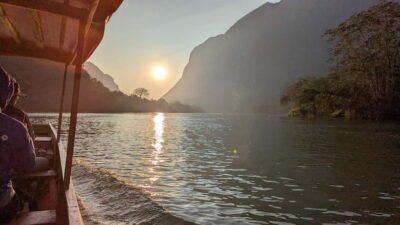
Luang Prabang to Nong Khiaw: River Cruise, Hike & Waterfall
Read our review →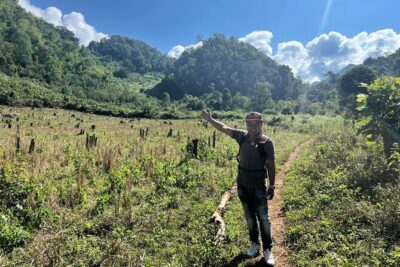
Full Day Trek to Kuang Si Waterfalls, Remote Village
Read our review →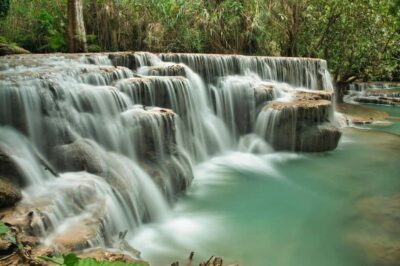
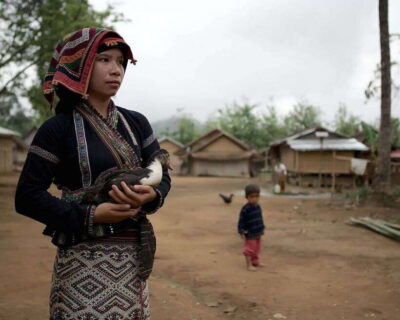
Luang Prabang Thin Pha Trail & Tad Sae Falls Trek
Read our review →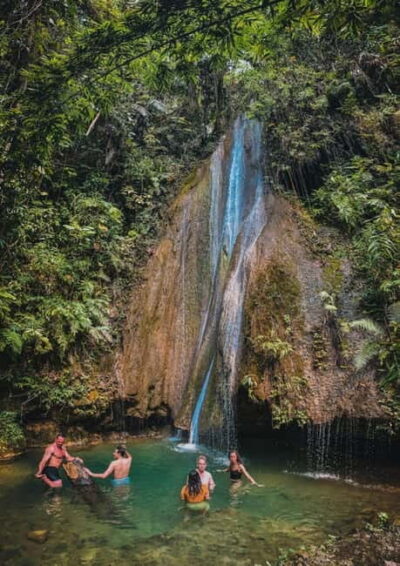
Day Trek to Kuangsi Waterfall and Bear Sanctuary – Luang Prabang full day tour
Read our review →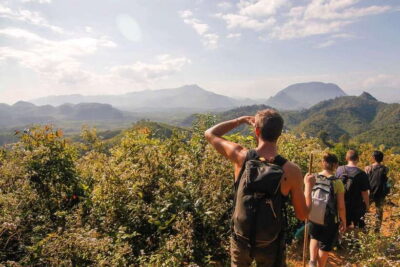
Luang Prabang: Mountain Trek & Local Villages Overnight Tour
Read our review →
Browse the lists this tour appears in