Reviewed · PLAIN OF JARS DAY TRIPS
Plain of jars private tour
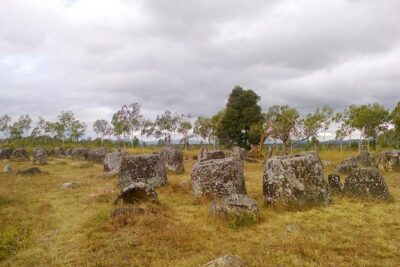
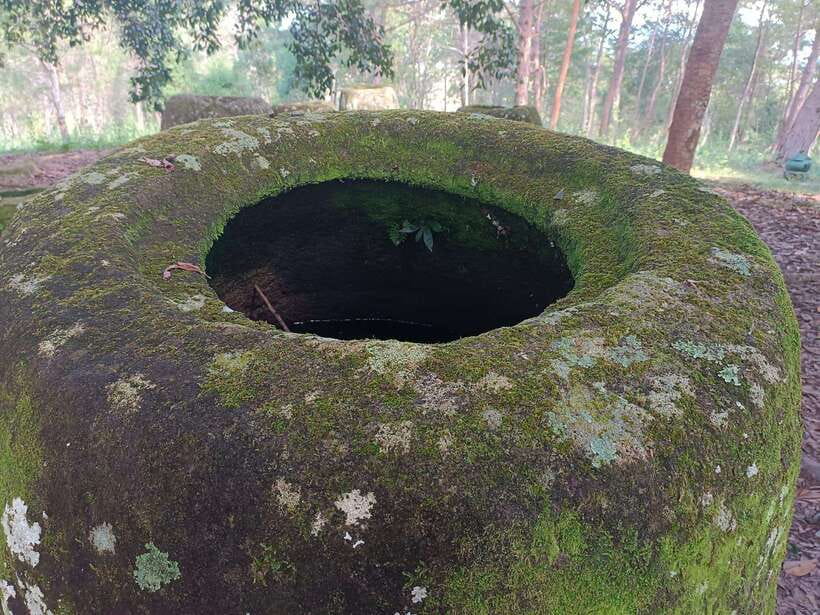
The Plain of Jars is one of Laos’s most unusual sights: huge stone vessels scattered across open hills in Xiangkhouang Province, with more than 1,000 jars spread among several sites. This private tour gives you the useful combination of all three main sites and the old provincial capital in one day.
I like the tour’s clear archaeological focus and the chance to walk through rice fields at Site 3 rather than simply step out of a vehicle at a viewpoint. I also like the private air-conditioned transport, local lunch, included entrance fees, and a guide who can explain the jars while answering wider questions about Laos and its people.
The main consideration is the Ban Naphia spoon village. Its metal spoons are made from recycled wartime material, which gives the stop real historical weight, but it may feel less central than the three jar sites. At $110 per person, the tour is best for anyone who wants a full day of private guiding rather than the cheapest possible ride between sites.
Key points at a glance
- Site 1 contains 334 jars: This is the largest and most impressive stop, with the greatest concentration of vessels.
- Site 3 includes a rice-field walk: You reach the jars on foot while your guide explains rice planting and rural life.
- Site 2 sits near Ban Nakhou: Two hills by Phou Salato Mountain provide wide views and a quieter setting for about 100 jars.
- Ban Naphia makes metal spoons: Families produce about 1,000 spoons a day from recycled wartime metal.
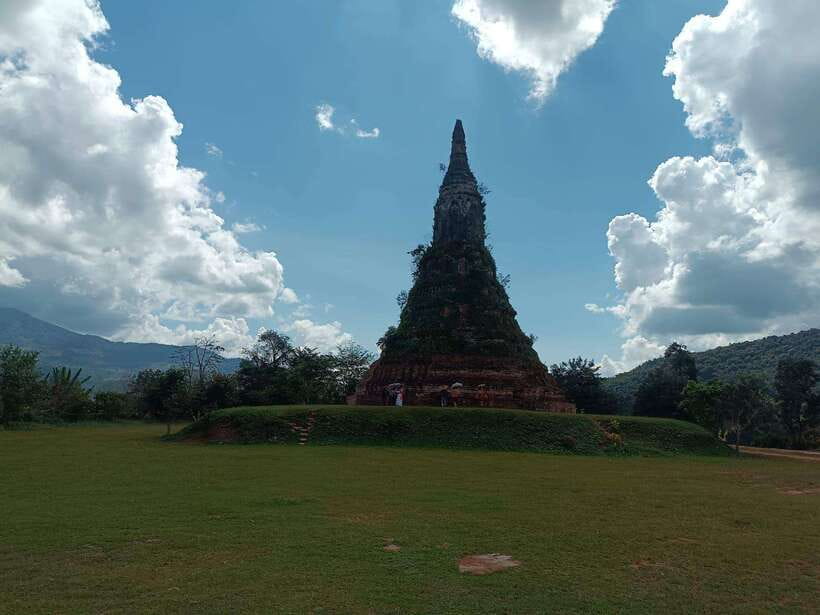
- Muang Khoun adds ruined temples: Wat Phia Wat and That Foun show what remains of the former provincial capital after the Vietnam War.
- Private transport keeps the day practical: Pickup in Phonsavan, an air-conditioned vehicle, lunch, entrance fees, and taxes are included.
Why the Plain of Jars deserves a full day
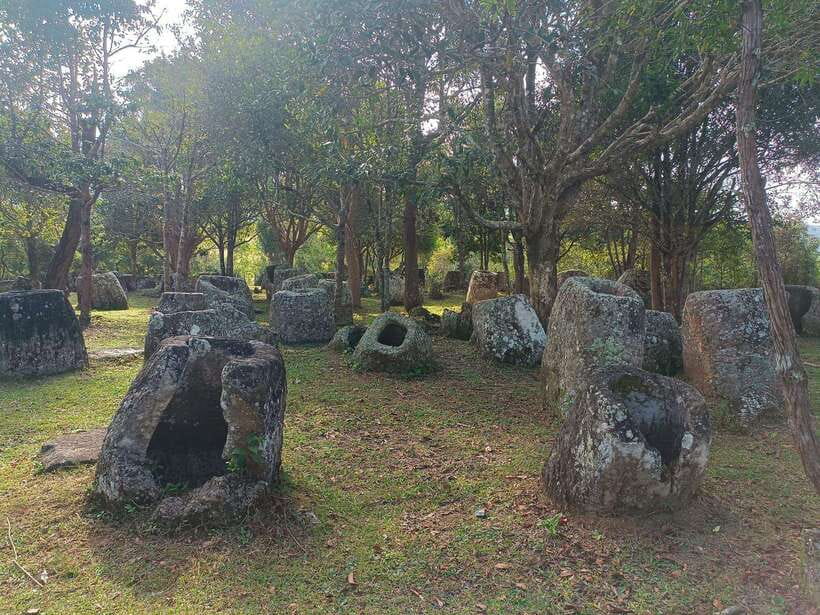
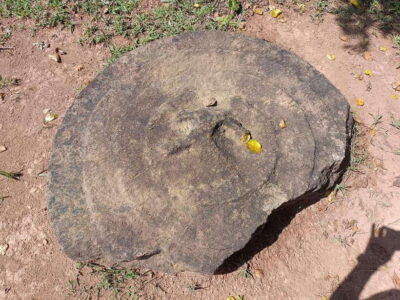
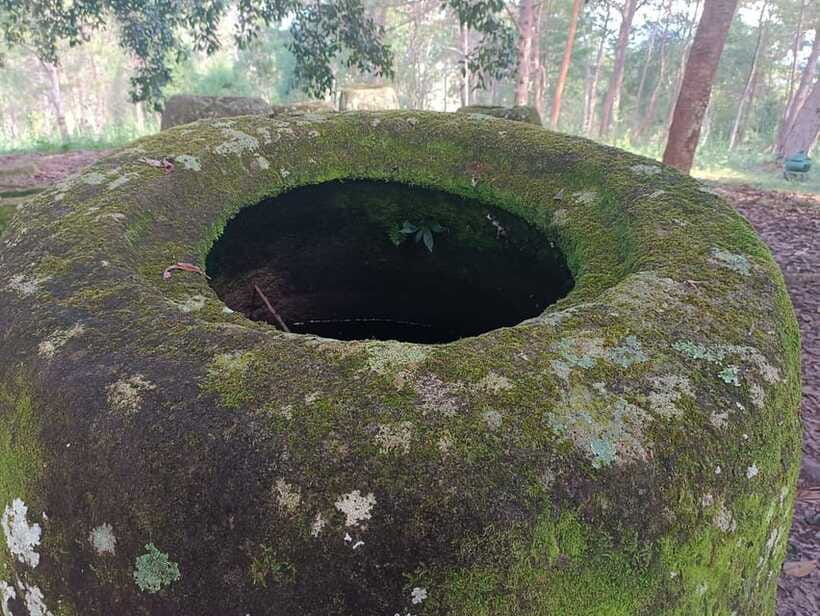
The Plain of Jars is not one single field with a neat row of stone containers. It is a large archaeological area spread around Xiangkhouang Province, with more than 1,000 jars in different sizes and at least three principal sites open to visitors.
That spread matters. You are not simply looking at the same object three times. Each site has a different feel, and the road between them lets you see the countryside around Phonsavan. The tour also places the jars beside a former capital, a spoon-making village, and working rice fields, so the day has more substance than a quick photo stop.
The schedule begins at 8:30 AM with hotel pickup in Phonsavan and returns to the city at the end of the afternoon. The timing is fairly full, but it gives you the best chance of seeing all three jar sites without turning the day into a rushed checklist.
Because the group is private, you can ask questions as you go. That is especially useful here. The jars raise obvious questions about their purpose, age, construction, and connection to the people who once used the area. The guide speaks English or Thai and can also discuss local life beyond the archaeology.
More Plain of Jars day trips:
- Plain of jars tour with local guide
★ 4.5 · 8 reviews - Plain of jars share group tour
★ 5.0 · 4 reviews - 3 Days The Plain of Jars and Xieng Khouan (Depart from Luang Prabang)
★ 5.0 · 3 reviews
Ban Naphia and the difficult story behind the spoons
The first stop is Ban Naphia, where families produce metal spoons from recycled wartime material. The village makes about 1,000 spoons each day for sale in local markets, so this is a working craft stop rather than a staged historical display.
The subject is uncomfortable, and it should be. The metal comes from weaponry left by the wars that affected Xiangkhouang. Seeing it turned into household objects gives you a direct reminder of how conflict continues to shape ordinary life long after the fighting ends.
I would treat this visit as a short introduction to the province, not the main reason to book the day. One detailed account found the village less compelling than the three jar sites because the spoon-making is tied to recycling armaments. That is a fair point. If your interest is strictly archaeology, you may want to keep the stop focused and save your attention for the jars.
Still, the village adds context that a site-only excursion misses. The plain is not an isolated puzzle from the distant past. It sits in a region with a more recent and painful story, and Ban Naphia makes that connection visible in a practical, everyday way.
Site 3: walking across rice fields to the jars
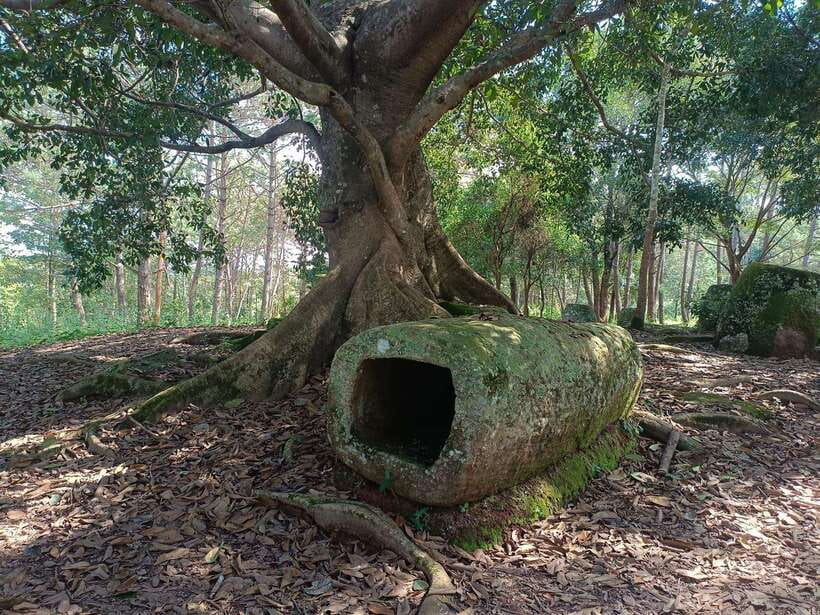
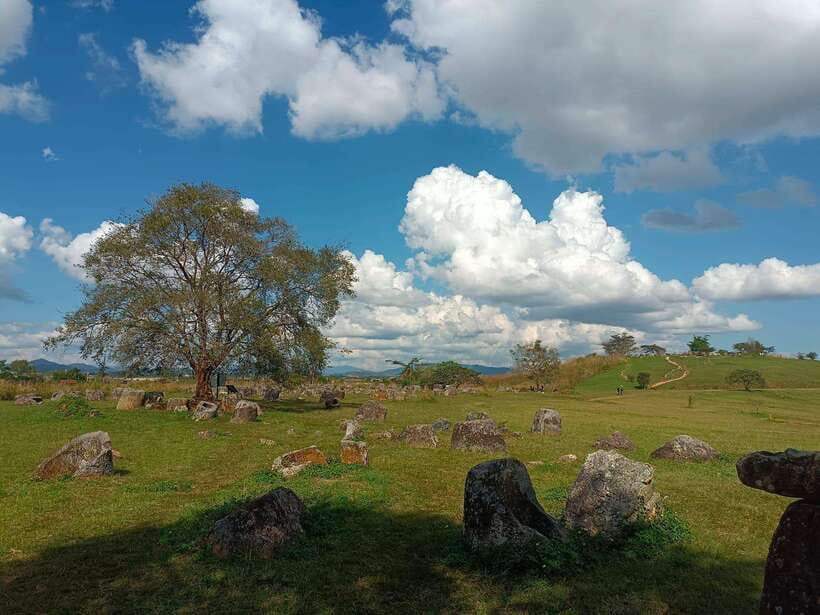
Around 10:00 AM, the tour reaches Plain of Jars Site 3 near Ban Xieng Di. From the ticket office, the route takes about ten minutes to reach the jars, with a walk through rice fields along the way.
This is my favorite kind of stop because the approach matters. You do not simply pull up beside the main object, take a picture, and leave. The walk gives the guide time to explain rice planting and the work that supports life in the area. It also helps you see how the archaeological site fits into the countryside around it.
The site itself is smaller than Site 1, but that is part of its appeal. The setting gives the jars room, and the walk creates a calmer start to the archaeological portion of the day. Plan to pay attention to your footing and allow time for the full one-hour guided visit.
Site 3 is also a good place to ask basic questions before reaching the largest collection. If you are not already familiar with the Plain of Jars, the guide can help you notice differences in jar size and placement before you see 334 vessels together at Site 1.
Site 2 near Ban Nakhou and Phou Salato Mountain
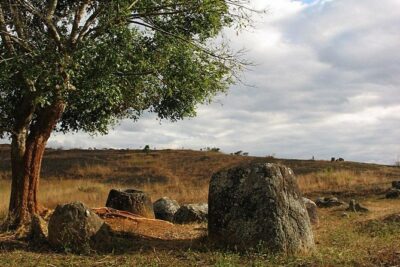
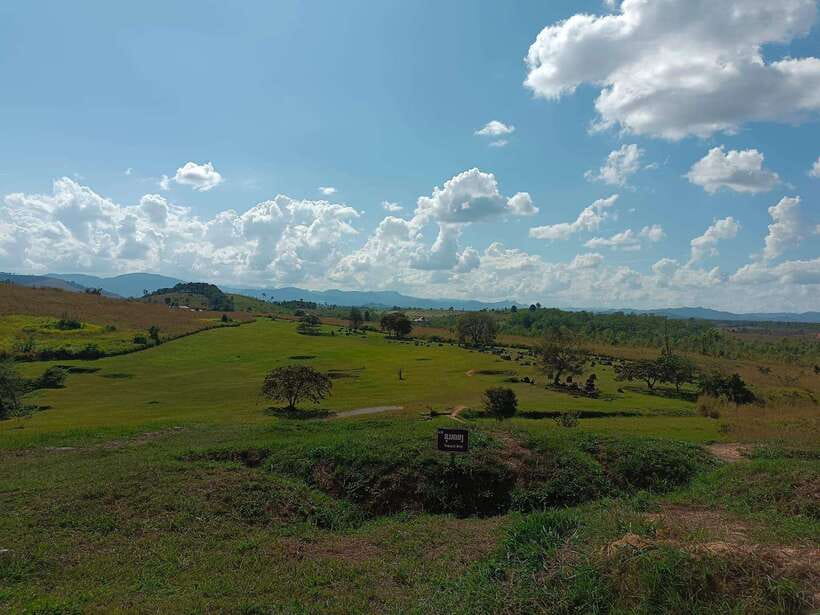
The next jar stop is Site 2 at Ban Nakhou. It is located among two hills near Phou Salato Mountain and contains about 100 jars.
Site 2 offers a different experience from Site 3. The hills provide panoramic views, while the smaller number of jars lets you consider individual vessels without the visual crowd of the largest site. I would listen closely here to the guide’s explanation, since the setting and spacing of the jars are as important as the count.
The schedule allows about an hour at the site. That is enough time to walk, take photographs, and ask questions without treating the visit as a hurried stop on the way to lunch.
At 12:30 PM, you eat at a local restaurant in Ban Nakhou. Lunch is included and comes from a local menu. The information provided does not specify the dishes, so it is best to think of this as a straightforward regional meal rather than a set culinary tasting.
The included lunch saves you from having to search for food between the sites. It also keeps the day moving. Soft drinks are not included, and personal spending, including handicrafts, is extra, so carry some money if you want a drink or a souvenir.
A few more Laos trips worth a look
- Vientiane Cultural Tour with Private Guide
★ 5.0 · 80 reviews - Luang Prabang Private Minivan
★ 4.5 · 36 reviews - Vientiane: Private Full-Day Tour with Buddha Park and Lunch
★ 4.8 · 33 reviews - Private Tour: Vientiane City Tour Full Day with Buddha Park
★ 4.5 · 32 reviews
Muang Khoun: temples damaged by war
After lunch, the route turns to the former capital of Xiangkhouang Province, known as Muang Khoun. The schedule places this visit at about 2:30 PM and includes Wat Phia Wat and That Foun.
These ruins add a different layer to the day. The jar sites connect you with an ancient archaeological mystery, while Muang Khoun shows the damage left by the Vietnam War. You are looking at remains from a much more recent period, and the contrast is striking.
Wat Phia Wat and That Foun are not presented as a long standalone museum visit. The stop is guided for about 30 minutes at the listed location, followed by about 20 minutes at That Foun. That makes it a compact historical visit, useful for placing the province’s past in a wider frame.
I like this part of the itinerary because it prevents the day from becoming one-note. If your main goal is the jars, Muang Khoun will not replace them, but it gives you a better understanding of the area you are crossing. The road itself also offers views around Phonsavan, which makes the driving time feel like part of the experience rather than dead time.
Site 1 and its 334 stone vessels
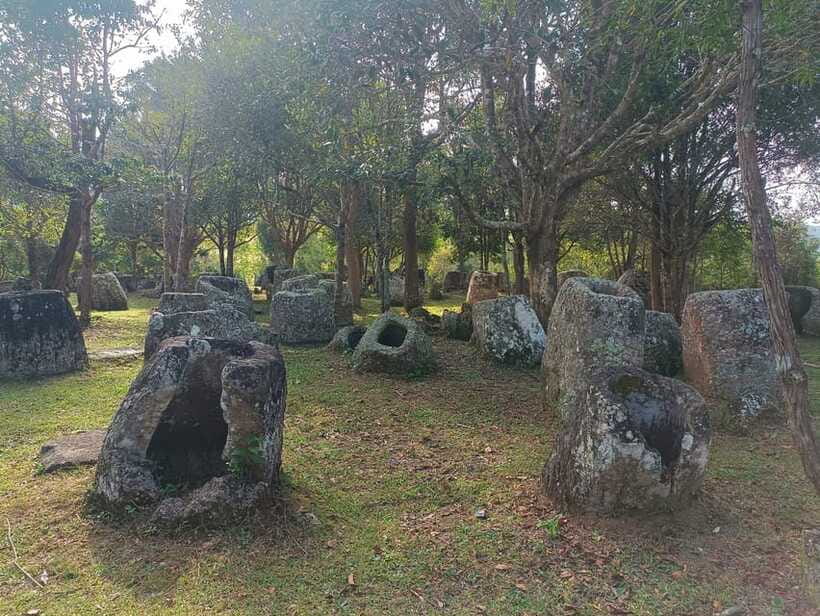
The final major stop is Plain of Jars Site 1, reached at about 3:50 PM. It is the largest site and contains 334 jars.
This is the grand finish for a good reason. After seeing smaller groups at Sites 3 and 2, you arrive with a sense of scale. The concentration of jars makes the mystery feel less abstract. You can compare the vessels, look across the site, and understand why the Plain of Jars is considered the biggest archaeological site in Laos.
The tour allows about an hour here, with departure around 4:45 PM. That should give you enough time for the main paths and photographs, while the guide explains what is known and what remains uncertain.
Site 1 is likely to be the highlight if you have come mainly for the jars. The strongest praise given to this day went to all three jar sites, with particular emphasis on their beauty and archaeological interest. That assessment makes sense: the sites work best as a group, since each one shows a different setting and scale.
The exact purpose of the jars is not explained in the supplied tour information, so a careful guide should separate established information from open questions. Use the private format to ask for that distinction. A good explanation should leave room for uncertainty rather than pretend the entire story is settled.
Wat Hai Heen on the drive back
On the return to Phonsavan, the vehicle passes Wat Hai Heen, also called Thonghaiheen Xaiyalam Temple. The plan is to pass by, with a short visit to see the large Buddha statue before returning to the city.
This is a modest final stop, but it gives you one last change of subject after a long archaeological day. Do not expect another major temple tour. It is better understood as a brief roadside look before the drive back.
The tour ends in Phonsavan. Pickup and return are included when you provide the correct address, which is useful if you are staying at a hotel in the city.
What $110 per person buys you
The price is $110 per person for one day. That is not the lowest-cost way to see the Plain of Jars, but the value becomes clearer when you count what is covered:
- Private group transportation
- Air-conditioned vehicle
- English or Thai-speaking live guide
- Entrance fees
- Local lunch
- Taxes and other listed fees
- Pickup in Phonsavan
You are paying for more than a transfer. The guide’s role matters because the jars are much easier to appreciate when someone explains the sites, the countryside, and the province’s wartime past. One particularly strong account praised the guide’s friendly manner and archaeological knowledge, along with an openness to questions about Laos and its people.
The private format also changes the pace. You are not tied to the interests of a large mixed group, and you can spend more time on the sites that matter most to you. That is valuable in Xiangkhouang, where the attractions are spread out and the day involves several separate stops.
The price does not include soft drinks or personal purchases. Handicrafts from Ban Naphia are optional, so your final cost depends on what you buy there.
Who should choose this private tour
I would choose this tour if the Plain of Jars is a main reason for visiting Phonsavan. You see Site 3, Site 2, and Site 1 in one day, rather than having to select only one or two.
It also suits you if you want historical context. Ban Naphia and Muang Khoun connect the ancient jars with the province’s more recent past, while the rice-field walk shows you something about daily rural life.
The tour is a good fit for:
- First-time visitors to Phonsavan
- People who want all three jar sites in one day
- Couples or small private groups
- Visitors who prefer a guide to independent transport planning
- Anyone interested in archaeology, local craft, and wartime history
- People who value an included lunch and entrance tickets
You may prefer a shorter or more focused outing if you want only the largest jar site. In that case, the spoon village and Muang Khoun will take time away from Site 1, even though they add useful context.
Timing, comfort, and practical details
The day runs from 8:30 AM until late afternoon, with the return to Phonsavan after the Wat Hai Heen stop. That is a full schedule, but the stops are sensibly spread across the day.
You will walk at Site 3 through rice fields, and each jar site includes a guided visit. The supplied details do not give a total walking distance or specific accessibility information, so ask the provider if you have mobility concerns.
The air-conditioned vehicle is a real advantage. Xiangkhouang’s sites are separated by roads through the countryside, and a comfortable private vehicle makes the transfers easier.
Booking can be canceled up to 24 hours in advance for a full refund. You can also reserve now and pay later, which gives you some flexibility while arranging a Phonsavan stay.
My call: book it for the complete picture
I recommend this tour if you want the Plain of Jars as a full provincial experience rather than a single photo stop. The three sites are the core attraction, and Site 1’s 334 jars give the day a strong finish. The rice-field walk at Site 3, the views near Site 2, and the scale of Site 1 provide useful contrast.
The guide is another reason to consider it. A friendly guide with archaeological knowledge can make the difference between seeing old stones and understanding why the sites matter. The ability to ask questions about local life is especially useful in a private group.
The only real hesitation is Ban Naphia. Its recycled-metal spoons may not appeal to you if you want an archaeology-only day, and the wartime connection can feel heavier than a typical craft visit. Even so, the stop is honest and relevant to Xiangkhouang.
At $110 per person, this is a strong choice for a private, all-inclusive day with transport, lunch, tickets, and a live guide. Book it if you want the three jar sites, a little rural life, and the province’s difficult modern story in one well-packed outing.
FAQ
Where does the Plain of Jars private tour begin and end?
The tour picks you up in Phonsavan and returns you to Phonsavan at the end of the day.
How long does the tour last?
It is a one-day tour. Pickup is scheduled for 8:30 AM, with the return to Phonsavan after the final stop at Wat Hai Heen.
How much does the tour cost?
The listed price is $110 per person.
Which Plain of Jars sites are included?
The tour visits Site 3 near Ban Xieng Di, Site 2 near Ban Nakhou, and Site 1, the largest site.
How many jars are at Site 1?
Plain of Jars Site 1 contains 334 jars.
What is special about Site 2?
Site 2 is near Ban Nakhou, on two hills by Phou Salato Mountain, and has about 100 jars with panoramic views.
Is lunch included?
Yes. Lunch at a local restaurant in Ban Nakhou is included, with a local menu.
Is transportation included?
Yes. The tour includes an air-conditioned vehicle and pickup in Phonsavan when you provide the correct address.
What languages can the guide speak?
The live guide is available in English or Thai.
Are entrance fees included?
Yes. Entrance fees, all listed fees, and taxes are included. Soft drinks and personal spending, including handicrafts, are not included.
Just added around Laos
- Luangprabang: Dinner with Lao Traditional Dance Performance★ 4.0 · 3 reviews
- Vientiane: Lao Cultural Attire Rental Experience★ 5.0 · 3 reviews
- Vientiane: Half-Day City Tour – Morning or Afternoon★ 4.0 · 3 reviews
- Vientiane Private Lao Cooking Class with Market Tour★ 4.0 · 3 reviews
- Vang Vieng: Zipline&Water Cave&Tham Chang&Blue Lagoon 1★ 5.0 · 3 reviews
- Vientiane Private Walking Tour With A Guide (Private Tour)★ 4.5 · 3 reviews
- Private Luang Prabang City Tour★ 5.0 · 3 reviews
- Luang Prabang Night-time Explorer★ 3.5 · 3 reviews
Plain of Jars Day Trips, compared.