Reviewed · FULL-DAY
Full Day Crossing the Bolaven Plateau
The best part of this day is the mix of coffee country and waterfalls. You leave Pakse’s lowland heat, reach the cooler Bolaven Plateau, and spend the morning moving between a family farm, a dramatic double cascade, and a swimming hole beneath falling water.
I like the private format, which gives you room to ask questions and set the pace at each stop. I also like the chance to meet village residents rather than simply view the plateau through a vehicle window. The main drawback is time: seven hours is enough for an introduction, but not for a slow, wide-ranging tour of the whole plateau.
Key points to know before booking
- A private guide and driver: Your group travels alone with an English-speaking guide and an air-conditioned vehicle.
- Coffee with the growers: The family-run plantation explains how Arabica and Robusta beans are grown, then serves freshly brewed coffee.
- Two very different waterfalls: Tad Fane is a huge double cascade viewed from above, while Tad Yuang offers a closer approach and possible swim.
- A local lunch is included: The meal covers food, but drinks and personal purchases are extra.
- Village visits add human context: You learn about rural life among Laven and other local communities across the plateau.
- Pakse pickup matters: Return transport is included for hotels inside Pakse, but not automatically for Champasak, Done Det, the 4,000 Islands, Chong Mek, or Pakse International Airport.
From Pakse to the cooler Bolaven Plateau
Pickup begins at about 8:00 a.m. from your Pakse hotel. Your guide and driver take you east on paved roads for roughly 40 kilometers, a trip of about 45 minutes.
That opening drive is useful because it shifts the setting quickly. Pakse is your practical base, while the Bolaven Plateau offers farms, villages, forest, and waterfalls at higher ground. The plateau is associated with the Laven minority and is one of Laos’ main coffee-growing areas.
The private vehicle makes this first stretch easy. You do not need to arrange a taxi, find a meeting point, or worry about navigating unfamiliar roads. An air-conditioned car also matters in southern Laos, especially after a warm night in town.
Still, the tour is not a wilderness expedition. The route uses paved roads, and the schedule is organized around four main stops. If you want long hikes or a very flexible day, you should ask about the exact timing before booking.
A few more Laos trips worth a look
- FULL DAY – Kuang Si Waterfall, Kayak on the Nam Ou / Mekong River, Pak Ou Caves
★ 5.0 · 81 reviews - Full Day Trek to Kuang Si Waterfalls, Remote Village
★ 5.0 · 38 reviews - Vientiane: Private Full-Day Tour with Buddha Park and Lunch
★ 4.8 · 33 reviews
Coffee at a family-run plantation
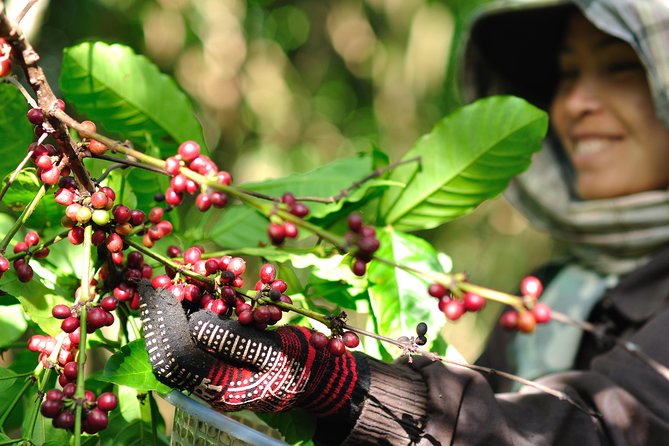
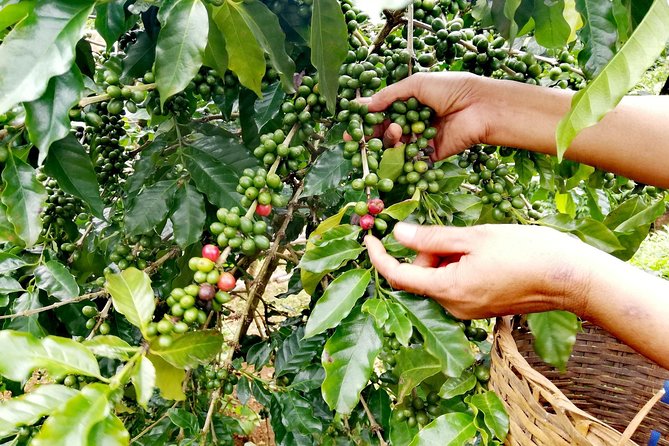
The first major stop is a family-operated coffee plantation. Here, you learn how Laos-grade beans are grown and processed, with both Arabica and Robusta included in the story.
This is more worthwhile than a quick tasting at a café because the coffee is tied to the land and the people who work it. You can see the agricultural side of the plateau and understand why this area has become important to local coffee drinkers.
A fresh cup is included in the visit, and the experience may also include helping the family pick coffee beans. That hands-on detail gives the stop a simple, practical feel. You are not only hearing about production. You are getting a small sense of the work behind the drink in your cup.
Plan on spending up to two hours here. That is a generous amount of time for a plantation visit, so coffee lovers will appreciate the stop. If coffee is not your interest, the guide can still help connect the farm to local livelihoods and the wider economy of the plateau.
A useful tip is to treat this as a cultural and agricultural visit, not just a tasting. The most valuable part is the conversation with the family and the explanation of how the beans are grown. Personal shopping is not included, so bring money only if you want to buy something offered at the farm.
Tad Fane and the 120-meter double cascade
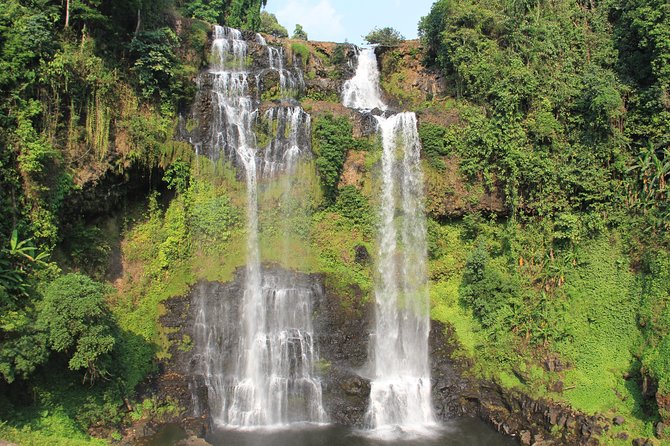
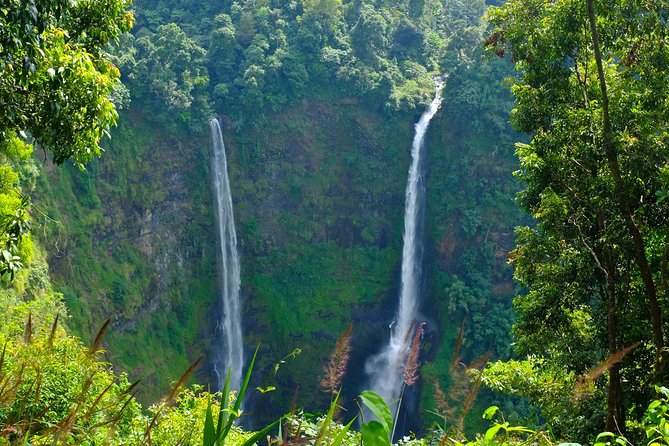
After the plantation, you go to Tad Fane, the best-known waterfall on the plateau. Two rivers, the Champi and Pak, drop together over a cliff in a double cascade. The total fall is about 120 meters.
You view Tad Fane from a platform in the Dong Houa Sao National Protected Area. The lookout gives you a broad view of the falls and surrounding forest, rather than a close encounter at the base.
That distinction matters. Tad Fane is the grand viewpoint stop. It is dramatic because of height and scale, and it makes a strong visual centerpiece for the morning. The trade-off is that you do not get the same close access to the water that you have at Tad Yuang.
The scheduled visit lasts about 90 minutes, including time for viewing and photographs. Wear sensible shoes and take care around wet surfaces. The tour information calls for moderate physical fitness, so you should be comfortable walking around waterfall areas and handling uneven ground.
Protect your phone and camera. Water spray and wet conditions can damage electronics, and you are responsible for keeping your equipment wrapped and dry. A small waterproof bag is a sensible addition.
Tad Yuang, rock pools, and a possible swim
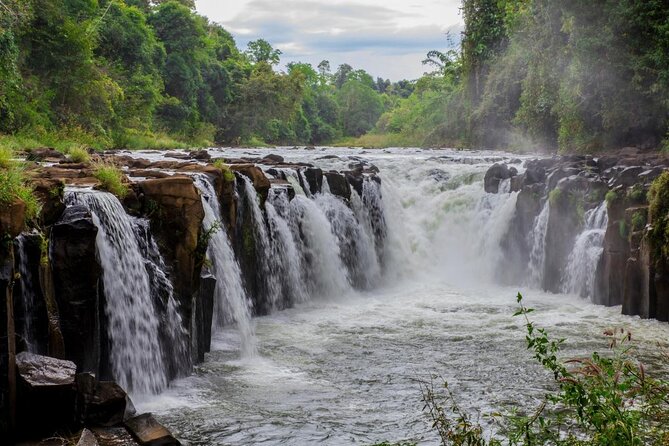
Tad Yuang offers a different kind of waterfall experience. Water drops about 40 meters over rock into a pool below, creating a more enclosed and immediate scene than Tad Fane.
The highlight is the chance to swim beneath the waterfall. The description also notes that you may be able to swim behind the curtain of water. Conditions can affect access, so treat swimming as an opportunity rather than a promise that you must use.
This is the stop where packing well pays off. Bring swimwear, a towel, sandals or shoes with a good grip, and a waterproof pouch for valuables. You will also want dry clothes for the ride back to Pakse.
You have about 90 minutes here. That gives you time to look at the falls even if you do not swim. If you prefer photography, you can focus on the rock, water, and surrounding vegetation. If you do enter the pool, follow local guidance and take care on slippery surfaces.
The two waterfall stops work well together. Tad Fane supplies height and a wide view. Tad Yuang supplies closer contact with the water. If you have limited time in the region, this pairing gives you two distinct versions of the Bolaven Plateau.
Same country, a completely different kind of day:
- Luang Prabang: Cruise to Pak Ou Caves & Kuang Si Waterfalls
★ 5.0 · 1,769 reviews - Luang Prabang: Cruise to Pak Ou Caves & Kuang Si Waterfalls
★ 4.8 · 1,360 reviews - Vang Vieng: Kayaking & Cave Tubing with Zip Line/Blue Lagoon
★ 4.5 · 410 reviews - Half Day Mekong Cruise to Pak Ou Caves (Morning / Afternoon)
★ 4.6 · 290 reviews
A Laotian lunch before the village visit
After the morning stops, you eat at a nearby local restaurant. Lunch is included, but the inclusion covers food only. Drinks and any extra purchases are your responsibility.
The meal is a practical part of the day, not a long culinary event. That suits this route because you still have a village visit and the return trip to Pakse. The exact dishes and restaurant are not specified, and dietary requests cannot always be confirmed in advance.
If you have dietary restrictions, tell the operator when you reserve. The staff will try to help, but the choice of local restaurant may limit what can be arranged. You should also carry water, particularly if you swim or spend a lot of time outdoors.
The meal gives you a chance to pause in the middle of a fairly active day. With waterfall walking, plantation time, and village visits all included, a simple local lunch keeps the schedule moving without sending you back to the hotel.
Meeting rural families across the plateau
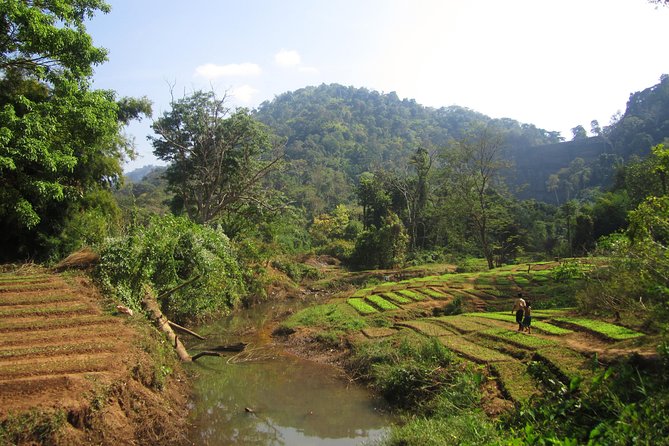
The afternoon turns from scenery to daily life. More than 20,000 families live and work in about 250 villages across the Bolaven Plateau, and the tour includes a visit to rural communities.
The value here is the chance to see how people live and work away from Laos’ main tourist routes. You can ask your guide about local customs, farming, village organization, and the ethnic communities of the region. The tour specifically identifies the Laven as a major local group.
Keep your expectations grounded. This is not presented as a formal museum visit or a staged cultural performance. It is a short encounter during a wider sightseeing day. The quality of the conversation will depend on your guide, the community, and the time available.
Good manners matter. Ask before photographing people, homes, tools, or religious objects. A patient, respectful attitude will make the visit more comfortable for everyone.
One memorable tour pairing featured guide Lei and driver Le, including a knife-making workshop along with the waterfalls and coffee plantation. That workshop is not listed as a guaranteed stop, so do not book the tour solely for it. If Lei and Le are assigned to your trip, you can ask if a similar local craft visit fits the route.
The village portion lasts about an hour. It is brief, but it keeps the day from becoming only a checklist of viewpoints. You see the plateau as a working home, not just a place of waterfalls and coffee.
What the private format is worth at $125.57
The price is $125.57 per person. That is not the cheapest way to see the Bolaven Plateau, but the value improves if you are traveling with family or friends and can use the group discount or share the private vehicle.
The price includes:
- Hotel pickup and return within Pakse
- A professional English-speaking guide
- A professional driver
- Air-conditioned transportation
- Entrance and donation fees for the listed visits
- Local lunch, food only
- Applicable taxes and service charges
The private setup is the biggest reason to pay more. You get the guide’s attention instead of sharing explanations with a large bus group. You can ask about coffee, local villages, or the waterfalls as questions come up.
You are also paying for convenience. The tour connects several stops that would be difficult to arrange efficiently without your own transport. The included entrances and lunch make the final cost easier to judge.
The price does not cover drinks, tips, shopping, personal expenses, hotel accommodation, insurance, visas, airline tickets, or extra transport outside the covered pickup area. If you stay outside Pakse, ask about the supplement before paying. Transfers from Champasak, Done Det, the 4,000 Islands, Chong Mek, and Pakse International Airport are excluded unless an added charge is arranged.
For a solo visitor, the cost may feel high. For two or more people who value a private guide, it can be reasonable, especially when compared with hiring separate transport and organizing the route yourself.
Timing, fitness, and what to pack
The advertised duration is about seven hours, beginning around 8:00 a.m. The schedule includes roughly two hours at the coffee farm, 90 minutes at Tad Fane, 90 minutes at Tad Yuang, one hour for lunch and village activity, plus driving time.
That is a full morning and early afternoon, not an open-ended plateau tour. You should be ready to leave on time and keep moving between stops.
Moderate physical fitness is required. The tour does not promise strenuous trekking, but waterfall areas may involve walking, slopes, steps, and slippery ground. Swimming is optional, so you can still enjoy Tad Yuang if you prefer to stay dry.
Pack:
- Sunglasses, a hat, and high-SPF sunblock
- Water and any needed personal snacks
- Swimwear, towel, and dry clothing
- Shoes with a reliable grip
- A waterproof bag for electronics
- Small cash for drinks, tips, or shopping
Even on cloudy days, the sun can be strong. Water spray and humidity also make it easy to underestimate how much protection your phone and camera need.
The operator asks for your passport number and expiration date when you reserve. This is a local immigration requirement, so have those details ready.
Who should book this day?
I would choose this tour if you are staying in Pakse and want one organized day that combines nature, agriculture, and local life. It is particularly well suited to couples, families, and small groups who prefer a private guide over a fixed group departure.
Coffee drinkers will get the most from the plantation visit. Swimmers will enjoy the chance to cool off at Tad Yuang. Visitors interested in rural culture will value the village stop, though you should understand that it is short and informal.
I would be less enthusiastic if your main goal is a long hike, a remote overnight stay, or a detailed study of local communities. The day offers a useful introduction, but it does not explore every corner of the plateau.
The private vehicle also makes this a good choice after a busy stretch of independent travel. You can let someone else handle the roads while you focus on the views and the conversations.
Should you book the Bolaven Plateau crossing?
Book it if you want an efficient, private introduction to one of southern Laos’ most distinctive regions. The strongest combination is the coffee plantation, Tad Fane’s 120-meter double fall, and the option to swim at Tad Yuang. The village visit adds meaning to the scenery, and the included lunch keeps the day simple.
Before booking, confirm that your accommodation is inside Pakse or ask for the transfer supplement. Also confirm dietary needs, bring protection for electronics, and do not assume that the knife-making workshop is part of every departure.
With a moderate activity level and realistic expectations about the seven-hour schedule, this is a solid day trip for seeing the plateau without arranging several separate rides. Free cancellation is available if you cancel at least 24 hours before the start time.
FAQ
Where does the tour start?
The tour starts with pickup from your booked hotel in Pakse at about 8:00 a.m.
Is return transportation included?
Return transportation is included for customers staying inside Pakse. Transfers from Champasak, Done Det, the 4,000 Islands, Chong Mek, and Pakse International Airport are excluded unless a supplement is arranged.
How long does the tour last?
The experience lasts about seven hours.
Is this a private tour?
Yes. Only your group participates, with a private English-speaking guide and professional driver.
What is included in the price?
The price includes transportation in an air-conditioned vehicle, the guide, entrance and donation fees for the listed visits, lunch food, taxes, and service charges.
Can I swim at Tad Yuang?
Swimming is possible beneath Tad Yuang waterfall, including behind the curtain of water when conditions allow. Swimming is optional.
Is lunch included?
Yes, food at a local restaurant is included. Drinks and personal expenses are not included.
Can dietary requirements be accommodated?
The operator will try to meet dietary requirements, but advance confirmation may not always be possible because the local restaurant can vary. Share your needs when booking.
Just added around Laos
- Luangprabang: Dinner with Lao Traditional Dance Performance★ 4.0 · 3 reviews
- Vientiane: Lao Cultural Attire Rental Experience★ 5.0 · 3 reviews
- Vientiane: Half-Day City Tour – Morning or Afternoon★ 4.0 · 3 reviews
- Vientiane Private Lao Cooking Class with Market Tour★ 4.0 · 3 reviews
- Vang Vieng: Zipline&Water Cave&Tham Chang&Blue Lagoon 1★ 5.0 · 3 reviews
- Vientiane Private Walking Tour With A Guide (Private Tour)★ 4.5 · 3 reviews
- Luang Prabang Night-time Explorer★ 3.5 · 3 reviews
- Sunset Cruise in Luang Prabang with Live Performance★ 4.5 · 3 reviews
Full-Day, compared.
FULL DAY – Kuang Si Waterfall, Kayak on the Nam Ou / Mekong River, Pak Ou Caves
Read our review →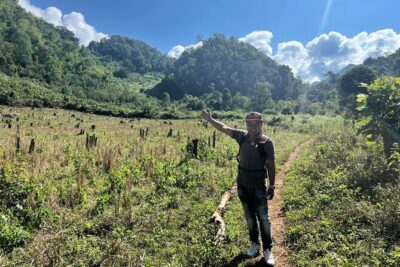
Full Day Trek to Kuang Si Waterfalls, Remote Village
Read our review →
Private Full-Day Tour with Buddha Park and Lunch
Read our review →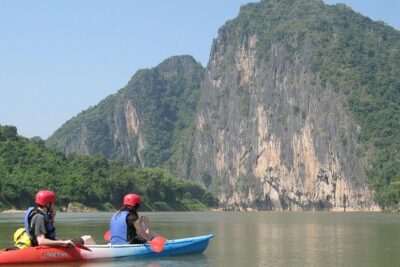
Full day / Half Day Kayaking and Pak Ou Caves with optional sunset cruise
Read our review →
Private Tour Full-day Morning Market, Villages and Scenic Kuang Si Waterfall
Read our review →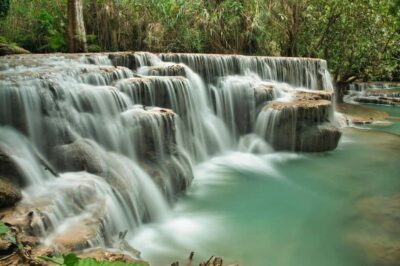
Vientiane: Private Full-day Must-See Sights & Sunset Tour
Read our review →