
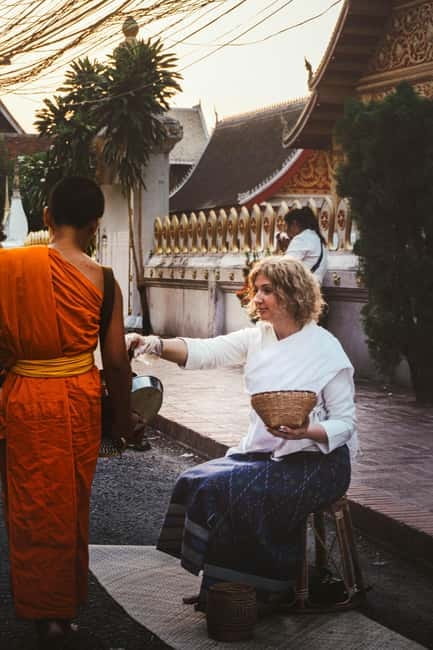
Reviewed · LUANG PRABANG TOURS
Luang Prabang: Almsgiving Ceremony Offering
Luang Prabang’s morning Tak Bat ceremony is quiet, simple, and easy to misunderstand. Before sunrise, saffron-robed monks walk silently through the streets while local people place food in their alms bowls. This experience helps you take part without treating the ritual like a staged photo stop.
I like the traditional offering set, which includes sticky rice, banana, and snacks, and I like the chance to visit a nearby temple afterward. The strongest guide feedback centers on Johnny, who spent 10 years as a monk and can explain Buddhist practice in clear, useful terms. The main drawback is that the meeting point and guide contact need care: two bookings resulted in missed connections.
Key points at a glance
- Early Tak Bat ceremony: Watch and join the morning almsgiving ritual as monks move silently through Luang Prabang.
- Food is supplied: Your set includes sticky rice, banana, snacks, and a local-style scarf.
- Johnny may lead the visit: He is described as a former monk who explains Buddhism and monastic life in detail.
- Temple follow-up: A nearby temple adds context after the street ceremony.
- One-hour format: This suits an early morning schedule, but leaves little room for delays or a long temple visit.
- Meeting point matters: The activity lists L’Elephant, while one booking account refers to meeting near Wat Nong, so confirm the exact spot.
Seeing Tak Bat before the town wakes
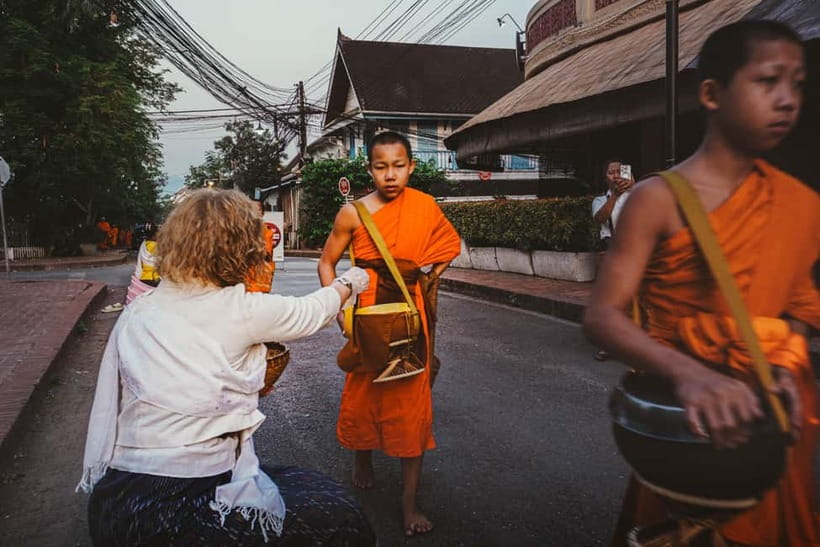
Tak Bat is Luang Prabang’s daily morning almsgiving ceremony. Monks leave their temples in saffron robes and walk in silence, carrying bowls for offerings. Local people place food into the bowls as the monks pass.
The scene is peaceful, but it is not a performance put on for visitors. That distinction matters. You are not simply watching a colorful procession. You are entering a living Buddhist practice, so your behavior affects the tone of the street.
The experience begins early, during sunrise hours. The exact start time depends on availability, so check the schedule when you book. A one-hour visit gives you enough time to receive an explanation, make your offering, and visit a temple, but you should arrive ready to move at the appointed time.
I like the way this short format keeps the focus on the ceremony. You do not spend half a day waiting around. At the same time, the limited duration means this is not a broad tour of Luang Prabang’s temples or Buddhist institutions. Think of it as a focused introduction.
A few more Luang Prabang trips worth a look
- Luang Prabang: Cruise to Pak Ou Caves & Kuang Si Waterfalls
★ 5.0 · 1,769 reviews - Luang Prabang: Cruise to Pak Ou Caves & Kuang Si Waterfalls
★ 4.8 · 1,360 reviews - Half Day Mekong Cruise to Pak Ou Caves (Morning / Afternoon)
★ 4.6 · 290 reviews
Making an offering without turning it into a photo stop
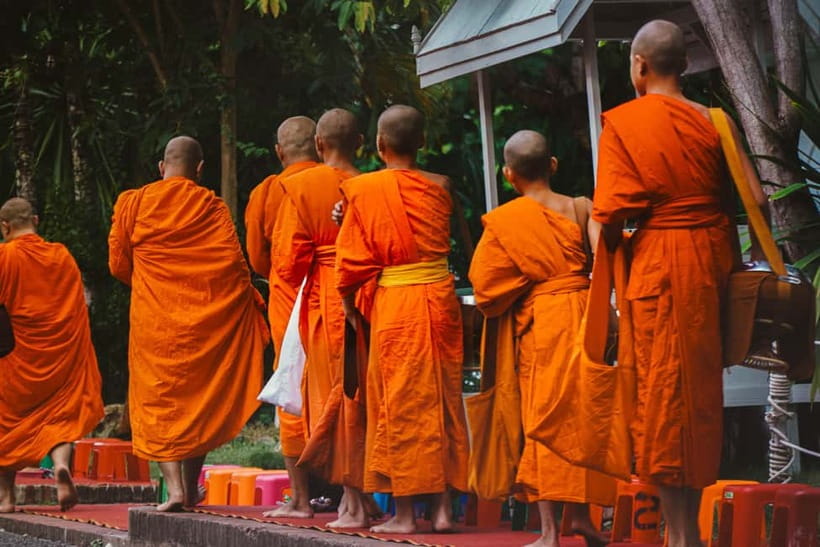
The supplied offering set removes one common morning problem: finding suitable food before dawn. You receive sticky rice, banana, and snacks for the ceremony. Sticky rice is especially important in Lao food culture, and offering it gives you a direct way to join the ritual rather than standing at a distance.
A local-style scarf is also included. Bring your own scarf if you prefer, but the supplied one helps with modest dress and gives the ceremony a more local appearance. The activity asks you to cover your shoulders and knees, so plan your clothing before leaving your hotel.
Your conduct matters more than your camera. Sit or stand respectfully, keep your movements calm, and place the food carefully into the monks’ bowls. Do not touch the monks or their alms bowls. Flash photography is not allowed, so turn your flash off before the procession begins.
You can bring a camera, and Luang Prabang’s quiet streets at sunrise can produce lovely pictures. Still, I would treat photography as a secondary part of the morning. A camera held too close to a monk, a loud shutter routine, or a hurried pose can make a sacred act feel like a portrait session.
What a guide adds to the ceremony
The activity includes guidance on respectful behavior and local traditions. It does not include a guide who explains every step in a fully detailed way as a guaranteed feature, so check exactly what level of guiding is available for your date.
That distinction is worth noting because the best part of this experience may depend on the person leading it. Johnny, also written as Jonny in some booking details, receives especially strong praise for explaining Buddhism and monastic traditions. He is described as having spent 10 years as a monk, which gives him a personal connection to the subject that a general sightseeing guide may not have.
A former monk can help explain why the monks walk silently, what the alms mean, and how visitors should behave. Those details can change the way you see the ceremony. Without context, you might notice only the robes and food bowls. With context, you can better understand the discipline and purpose behind the ritual.
The English and Thai language options make the activity useful for a wide range of visitors. Still, guide availability and assignment can vary. I would not book this solely on the assumption that Johnny will lead your date unless the provider confirms it.
The L’Elephant start and the meeting point question
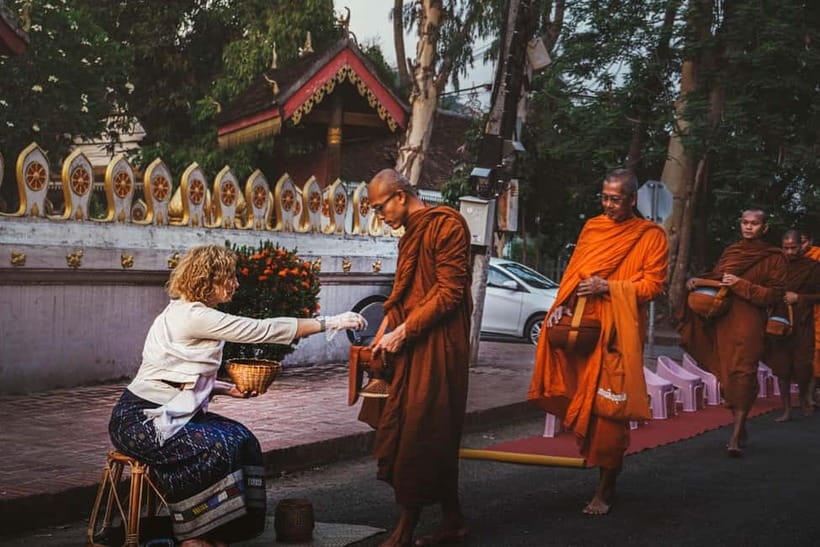
The stated starting location is L’Elephant in Luang Prabang. The itinerary then moves into the town for the ceremony, sunrise views, and a temple visit. Transfers to the spot are not included, so you are responsible for getting to the start.
There is one practical detail to check before paying. One account describes meeting by Wat Nong Temple on a quiet side road, while the activity information gives L’Elephant as the starting location. These places may relate to different arrangements or meeting instructions, but the difference is enough to warrant a direct confirmation.
This is not a minor issue for an early morning activity. Luang Prabang is calm before sunrise, and it may be harder to find help if you are standing in the wrong place. Save the provider’s contact details, confirm the final meeting point, and allow enough time to walk there.
Two poor experiences involved the guide not appearing or the participant being unable to find the guide. Those reports are a clear warning to treat the meeting instructions seriously. The experience also has several strong accounts describing close contact with the organizer and good organization, so the risk seems tied to communication rather than to the ceremony itself. Still, you should protect yourself by confirming the details.
Same country, a completely different kind of day:
- Luang Prabang: UNESCO World Heritage City Highlights Tour
★ 4.6 · 201 reviews - Luang Prabang: Afternoon Kuang Si Waterfalls & Sunset Cruise
★ 4.6 · 158 reviews - Luang Prabang: Evening Cooking Class & Local Baci Ceremony
★ 4.9 · 151 reviews - Luang Prabang: Kayak Tour to Pak Ou Caves
★ 4.4 · 115 reviews
Joining the monk procession respectfully
Once you are in position, the core experience is straightforward. You receive your food offering, follow the instructions, and wait for the monks to pass. The monks collect food in silence, so the mood is far removed from a normal guided street tour.
The offering itself takes only a short time. Do not expect a long interaction with individual monks. You do not touch them, speak to them during the collection, or handle their bowls. The value comes from taking part in a small, repeated act that has shaped the morning rhythm of Luang Prabang for generations.
The setting is part of the appeal. The ceremony takes place in the UNESCO-listed town of Luang Prabang, where temple roofs, quiet lanes, and early light create a gentle backdrop. The exact street view can vary, but one account specifically describes a quiet side road away from the main crowd near Wat Nong Temple. If your group uses a similarly calm location, it should make the ceremony feel more focused.
Do keep your expectations realistic. The activity promises a visit to a nearby temple, not an extensive temple tour. The ceremony and temple stop are packed into one hour, so the temple portion may be brief.
The nearby temple visit
After the almsgiving, you visit a nearby temple for more insight into Buddhist practice. This second stop gives the morning a useful shape. First, you take part in an active ritual on the street. Then you enter a religious setting where the guide can explain more about monastic life and Buddhist customs.
The temple visit is valuable because Tak Bat can otherwise remain a series of unfamiliar actions. A short explanation afterward may help you connect the food offering, the monks’ daily routine, and the role of temples in town life.
The information provided does not identify the temple as a major monument or promise access to special areas. I would therefore view it as a context stop rather than a grand sightseeing highlight. If you want a long temple circuit, this one-hour activity will feel too brief.
The nearby location does have an advantage. You do not need a separate transfer between the ceremony and the temple. Since transfers to the initial spot are not included, however, you should not assume transportation is part of the experience at any stage.
Is $25 a fair price?
At $25 per person, the activity is priced as a short cultural experience rather than a full-day tour. The offering food, scarf, local guidance, ceremony access, and temple visit are all folded into one hour.
I consider the price reasonable if you want a simple, organized way to participate. The food alone is not the main value. You are paying for preparation, explanation, and help with cultural etiquette at a moment when most visitors may not know what to do.
The value is strongest when the guide adds real context. Johnny’s reported background as a former monk makes the experience more useful than a basic food handout followed by silent observation. If your guide offers only minimal instructions, $25 feels less attractive because the ceremony itself is free to observe from the street.
The short duration also affects the calculation. This is easy to fit into a morning, leaving the rest of your day open. But you are not getting transport, a long temple tour, or a broad introduction to Luang Prabang. Compare it with your priorities. If you want a focused ritual with practical help, the cost is fair. If you want extensive guiding, look for a longer town or temple tour instead.
Dress, photography, and practical preparation
Dress modestly, with shoulders and knees covered. This is not just a rule for entering a temple. Modest clothing shows respect during the ceremony itself.
Bring a camera if you want sunrise images, but disable the flash. Do not assume that a dramatic close-up is an appropriate picture. Ask before photographing people in situations not covered by the ceremony instructions, and keep your camera movement discreet.
Bring a scarf if you have one, even though a local-style scarf is included. The supplied scarf is useful, but a personal backup can help if you want extra coverage or prefer your own fabric.
The activity is listed as wheelchair accessible. Since the ceremony takes place in streets and includes a nearby temple visit, you should still confirm the exact route and meeting surface when booking if you need a specific level of access. The supplied information does not describe the street or temple layout in detail.
The experience is not suitable for babies under one year or for people with altitude sickness. Luang Prabang is not generally associated with high-altitude touring, but these restrictions are part of the activity terms and should be taken seriously.
Cancellation and booking flexibility
You can cancel up to 24 hours in advance for a full refund. The reserve-now-and-pay-later option also helps if your early morning plans may change.
That flexibility is useful, but it does not replace checking the meeting point. I would confirm the start location, the exact time, the guide’s name, and the best contact method before the morning of the ceremony.
Since transfers are not included, work out how you will reach L’Elephant or the confirmed meeting point. The activity lasts one hour, so arriving late could mean missing most of the procession.
Who will enjoy this one-hour experience?
I would recommend it to you if this is your first visit to Luang Prabang and you want an introduction to local Buddhist practice without committing to a long tour. It also suits anyone who values a calm, meaningful morning and wants the food offering arranged in advance.
It is a good fit for photographers who can work quietly and without flash. The sunrise setting may produce beautiful images, but the ceremony should come before the shot.
It may also suit visitors who want an English or Thai speaking guide. The strongest praise is tied to clear explanations of Buddhism and monastic life, especially from Johnny.
I would be cautious if you need exact, flawless meeting arrangements or if you dislike early starts. The two reports of missed guides or unclear contact are important. Confirm everything in writing and keep enough time to find the meeting point.
Should you book the Tak Bat offering?
Book it if you want a short, respectful introduction to Luang Prabang’s morning almsgiving, with food supplied and a temple visit afterward. The experience offers more than simply watching from a curb because you receive practical guidance and take part in the offering.
I would book with two conditions: confirm the meeting point, and ask who will guide the experience. If Johnny is leading, the former monk background could add real value. If the guide arrangement is vague, you may prefer to observe Tak Bat independently and spend your $25 elsewhere.
For the right visitor, this is a thoughtful early morning activity. Just remember that the ceremony is sacred, not a show, and the best experience comes from quiet attention rather than constant photography.
FAQ
How long does the Tak Bat offering experience last?
The activity lasts one hour, including the morning ceremony and a visit to a nearby temple.
How much does the experience cost?
The listed price is $25 per person.
What food is included for the offering?
The traditional Lao offering set includes sticky rice, banana, and snacks.
Is a scarf provided?
Yes. A local-style scarf is included, and you may also bring your own scarf.
What should I wear?
You should dress modestly, with your shoulders and knees covered.
Can I take photographs?
Yes, you can bring a camera, but flash photography is not allowed. You should also avoid touching the monks or their alms bowls.
What languages are available?
Live guiding is available in English and Thai.
Is transportation included?
No. Transfer to the ceremony spot is not included. The stated starting location is L’Elephant, but you should confirm the exact meeting point before the activity.
Just added around Luang Prabang
- Luangprabang: Dinner with Lao Traditional Dance Performance★ 4.0 · 3 reviews
- Private Luang Prabang City Tour★ 5.0 · 3 reviews
- Luang Prabang Night-time Explorer★ 3.5 · 3 reviews
- Sunset Cruise in Luang Prabang with Live Performance★ 4.5 · 3 reviews
- A Relaxing Day at the Kuang Si Falls★ 4.5 · 3 reviews
- Luang Prabang Private Full-Day Tour and Lunch★ 4.7 · 3 reviews
- Luang Prabang: Local Village & Kuang Si Falls Private Tour★ 4.9 · 3 reviews
- Luang Prabang: Mekong River Cooking Class with Hotel Pickup★ 5.0 · 3 reviews
Luang Prabang Tours, compared.
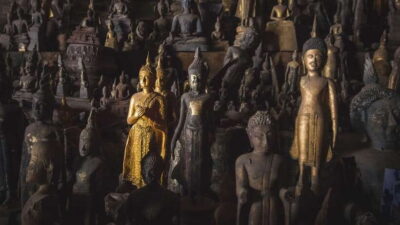
Half Day Mekong Cruise to Pak Ou Caves (Morning / Afternoon)
Read our review →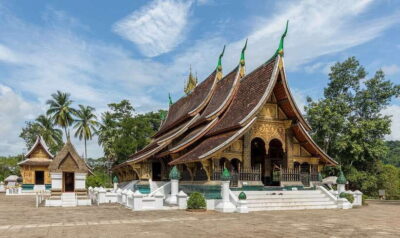
Luang Prabang: UNESCO World Heritage City Highlights Tour
Read our review →

Luang Prabang: Bamboo Weaving Workshop & Cooking Class
Read our review →
Browse the lists this tour appears in